

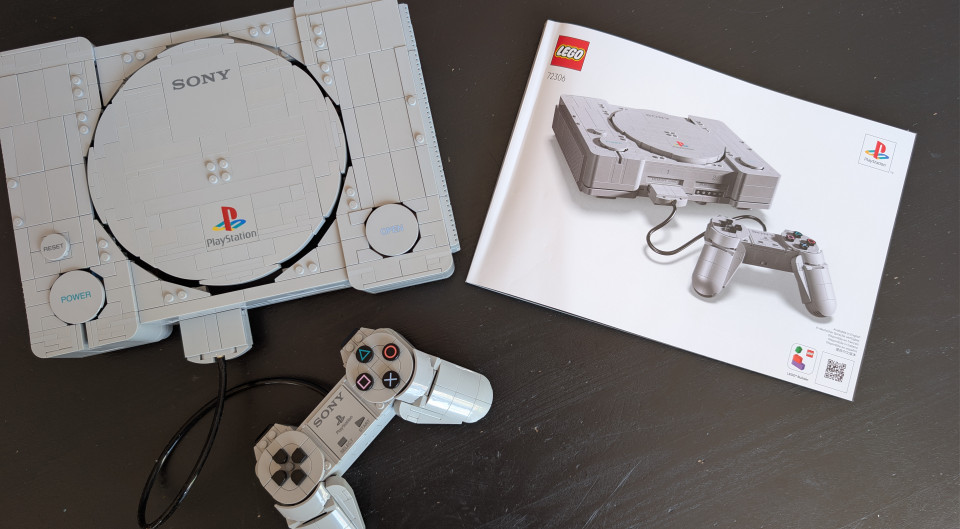
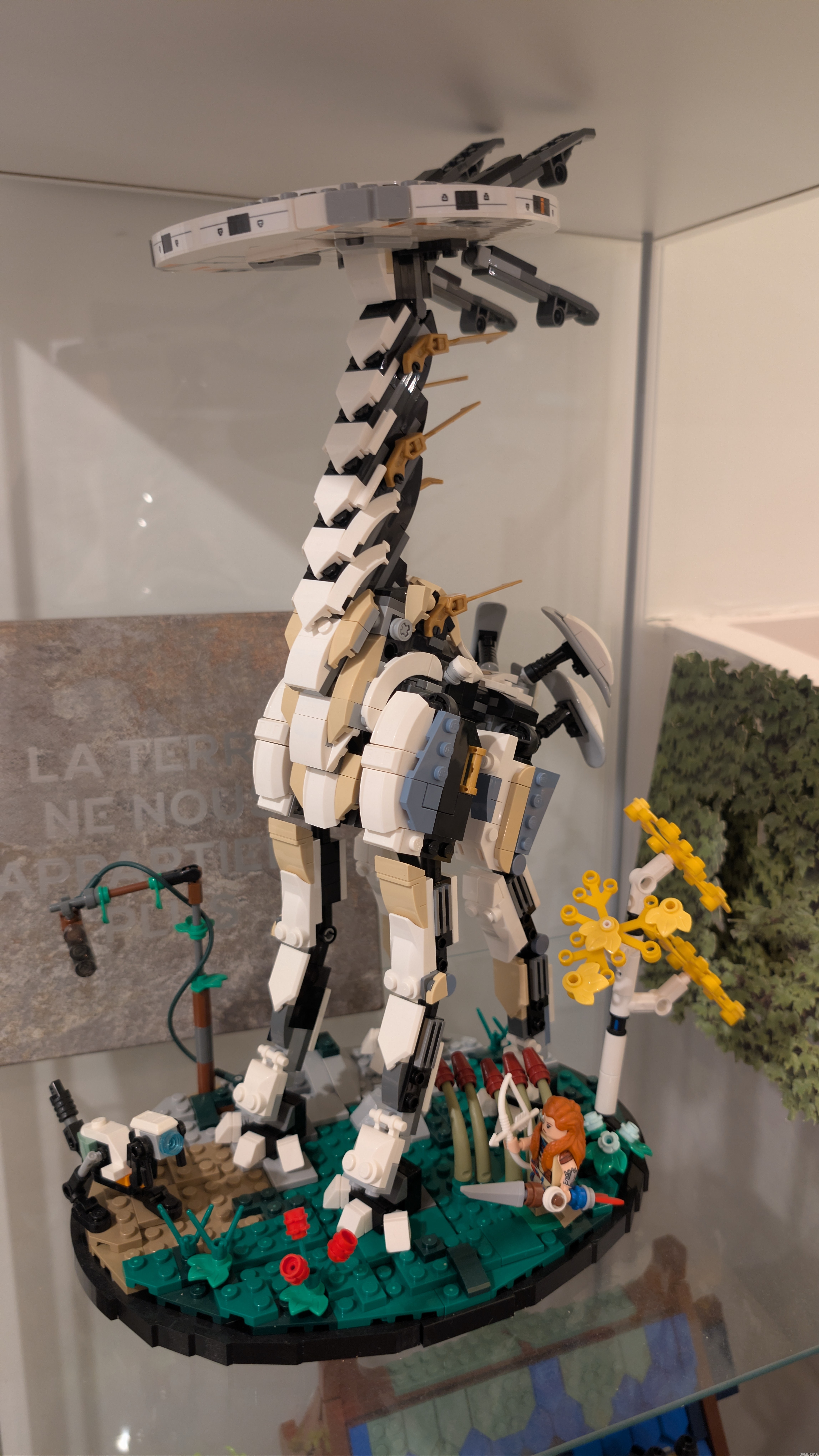
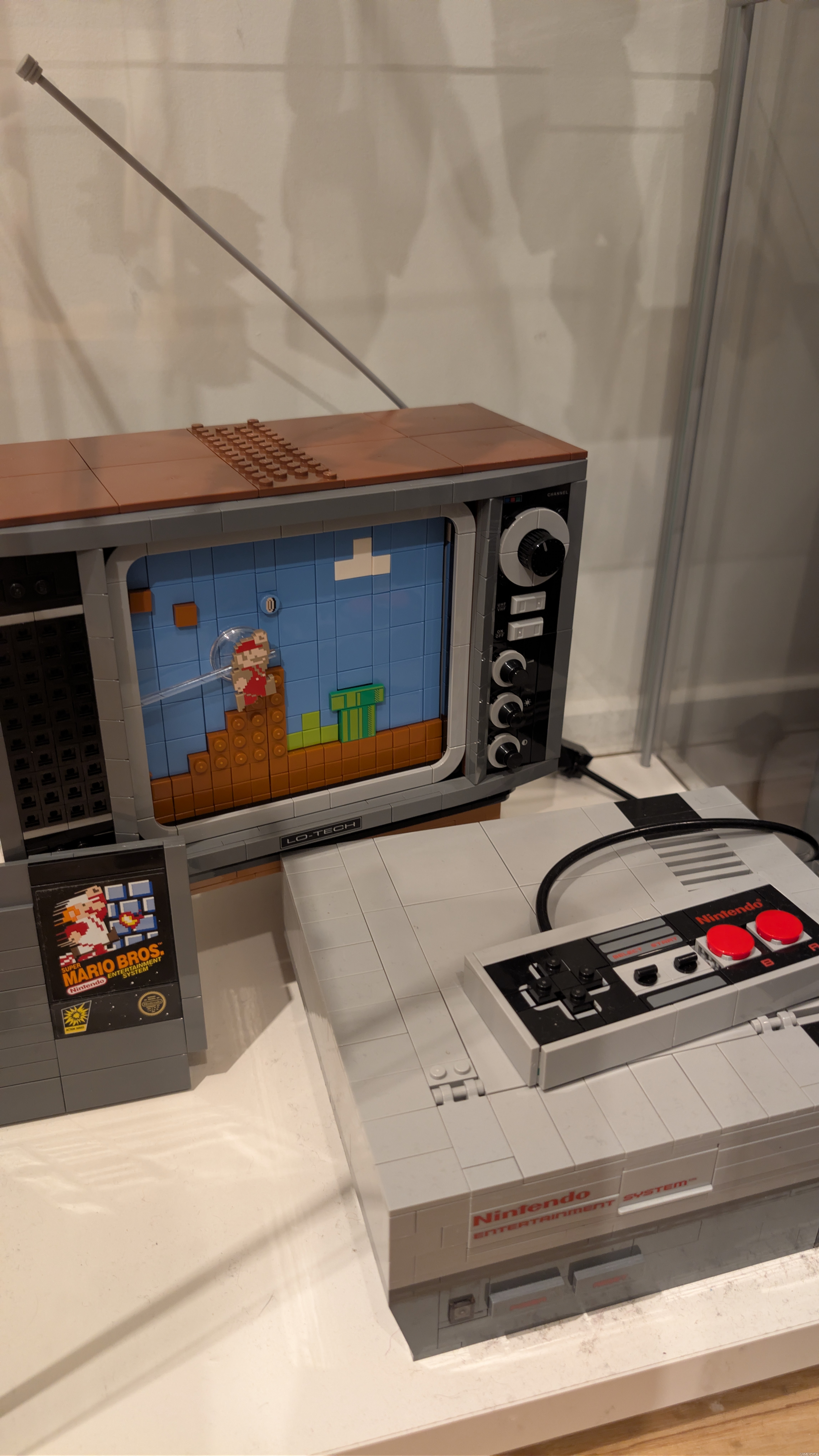
It’s not just video games and their peripherals in the industry that fascinate us, it’s also toys. There’s no shortage of merchandise based on the most popular franchises, and we have a small collection of our own, which we’ve been gathering for over twenty or thirty years. It’s actually only fairly recently that LEGO has started taking an interest in our medium, with sets dedicated mainly to Nintendo and SEGA. On Sony's side, the Horizon franchise has also been featured in a few models, including the excellent long-Neck, which was released back then at an affordable price (around €/$70–80). After the NES (a great set) and the Mega Drive (more basic since it was offered at a "low" price), it’s now the turn of the very first PlayStation to become a LEGO set.
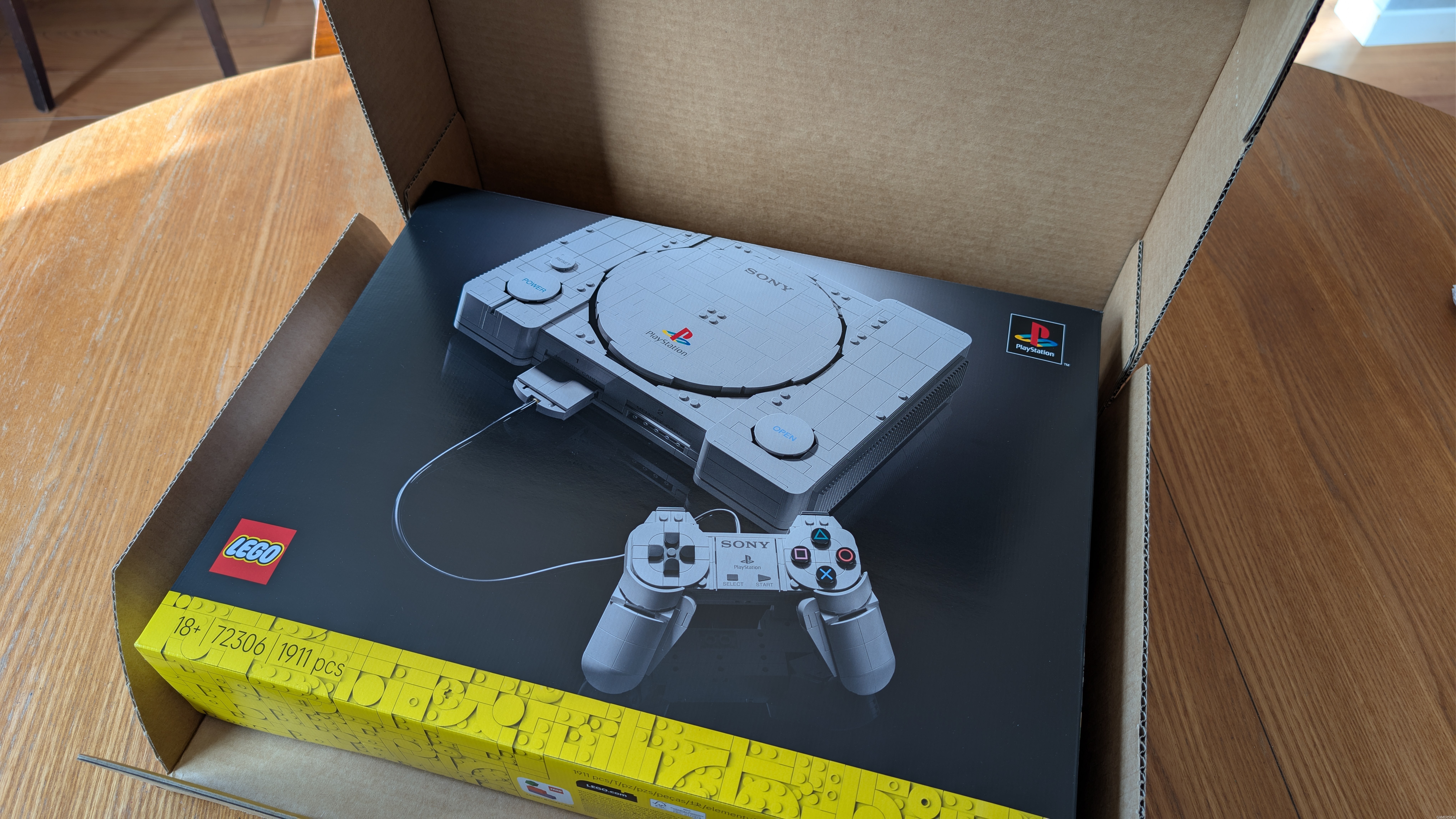
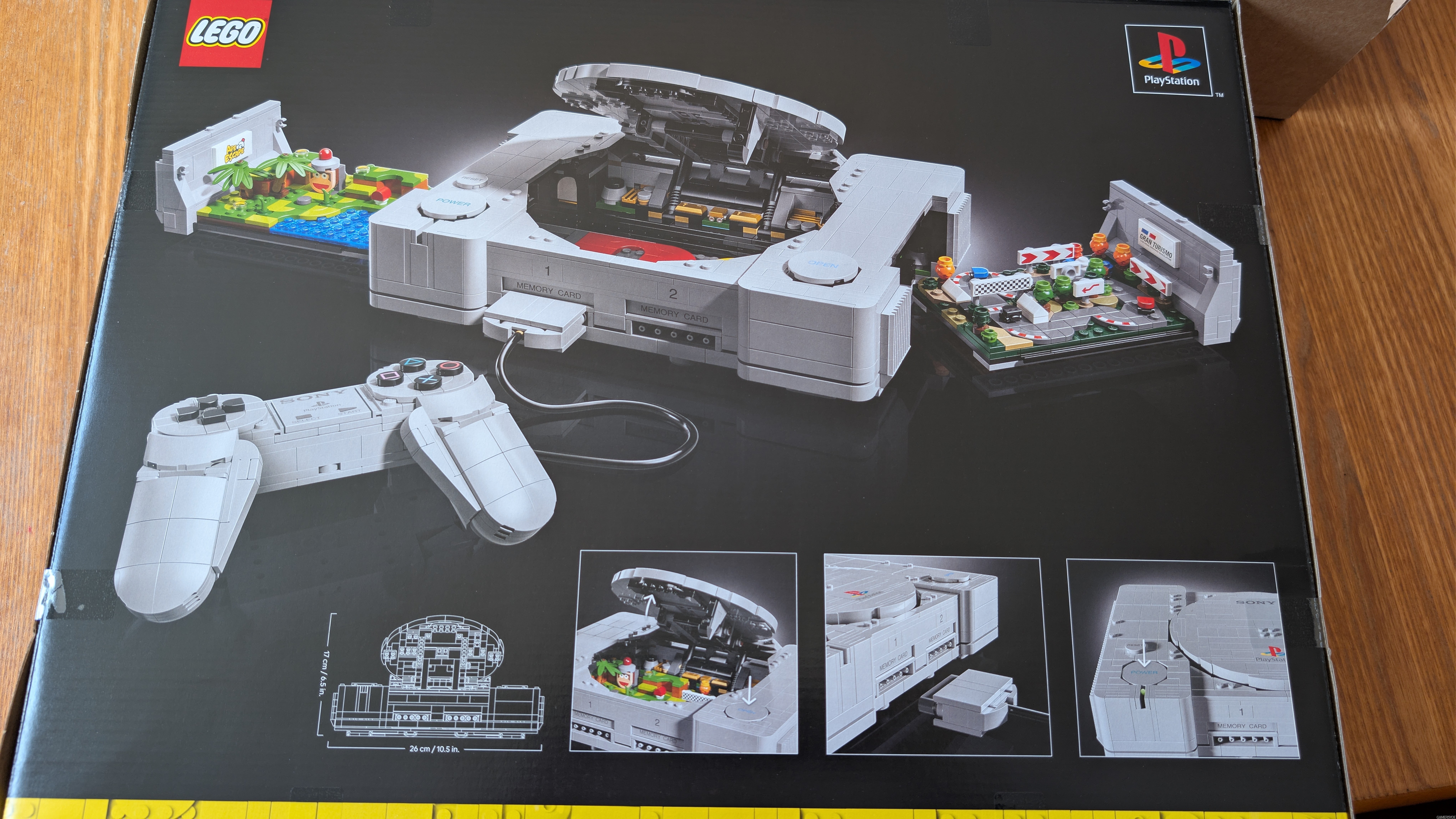
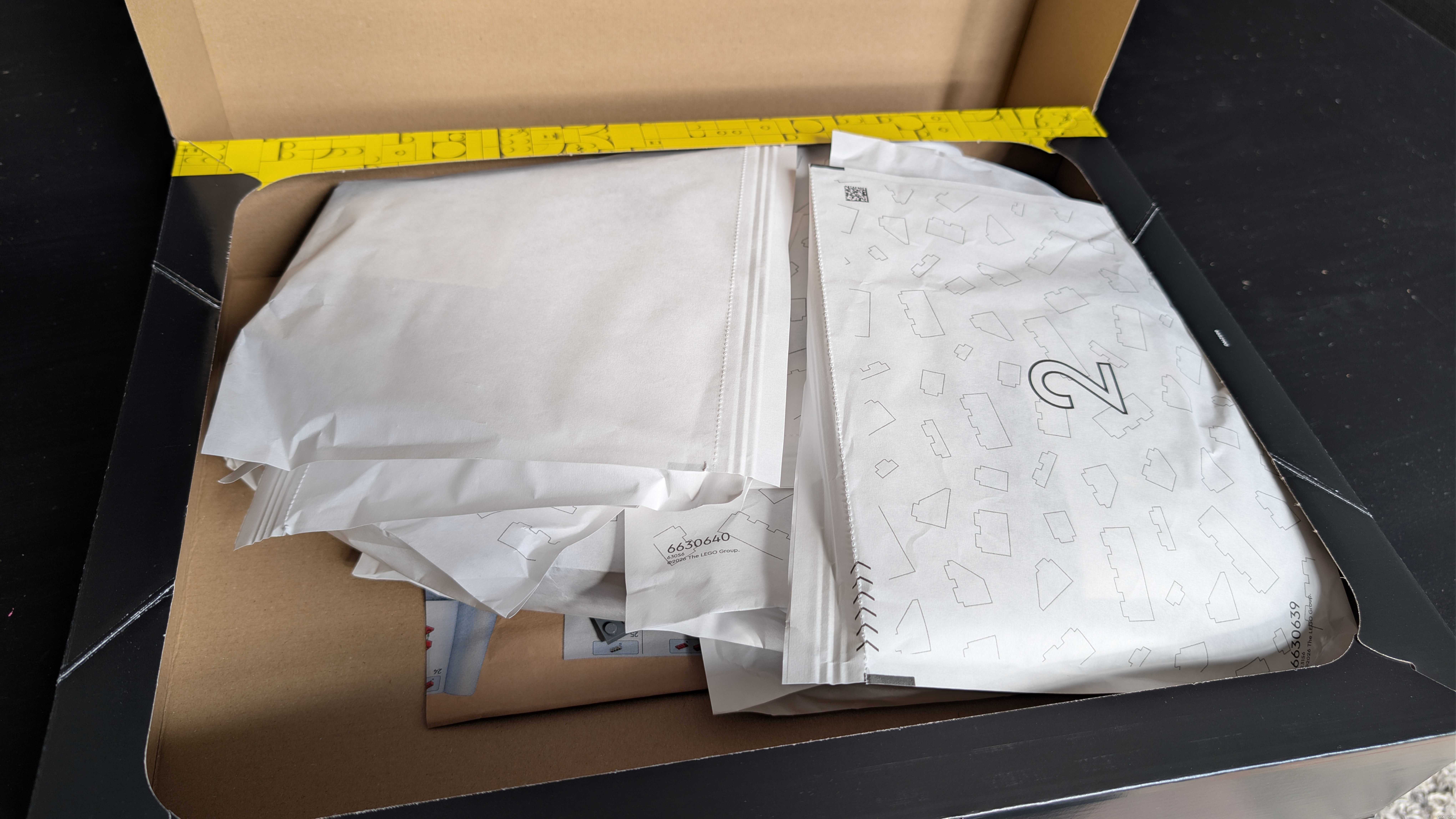
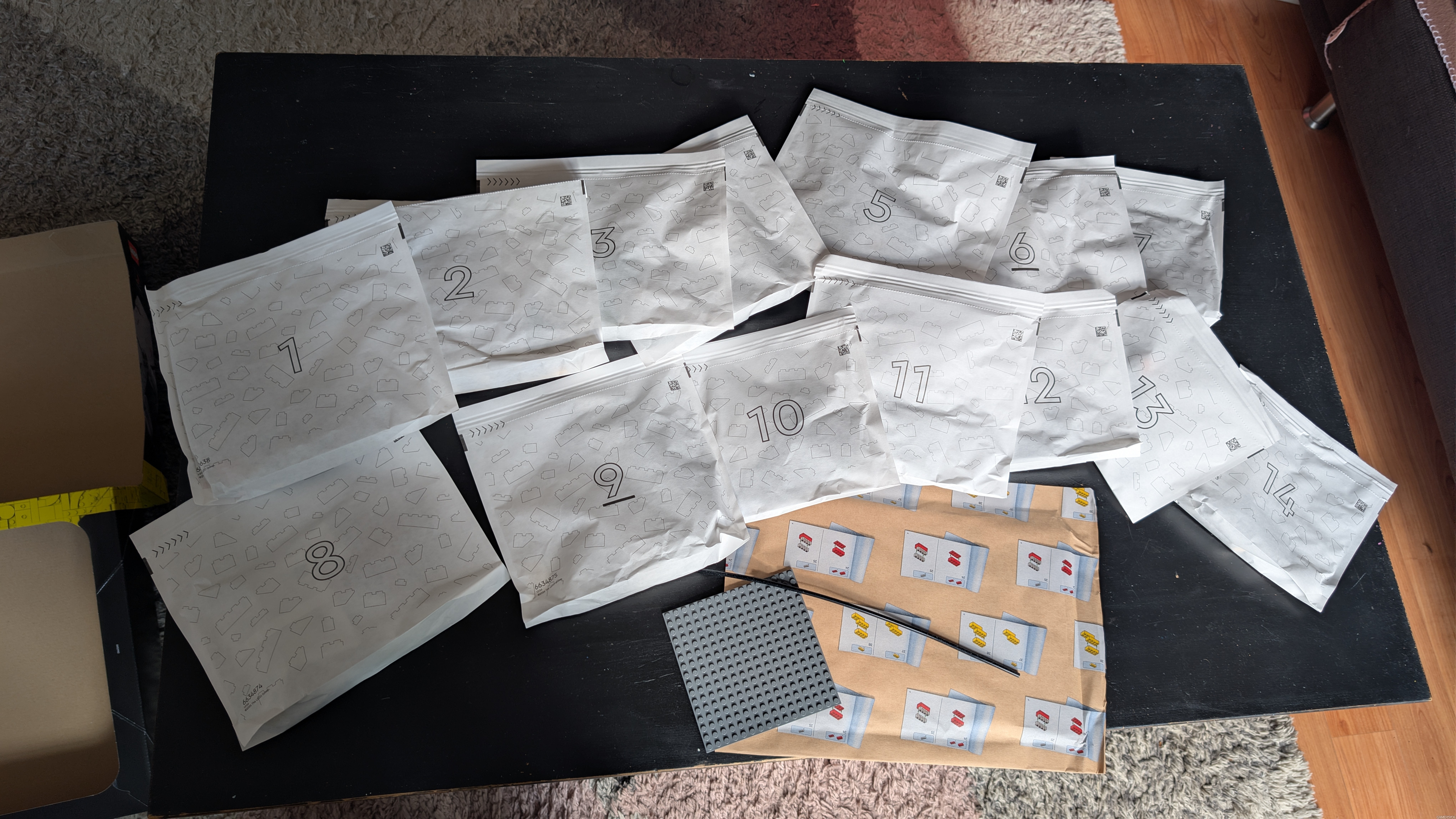
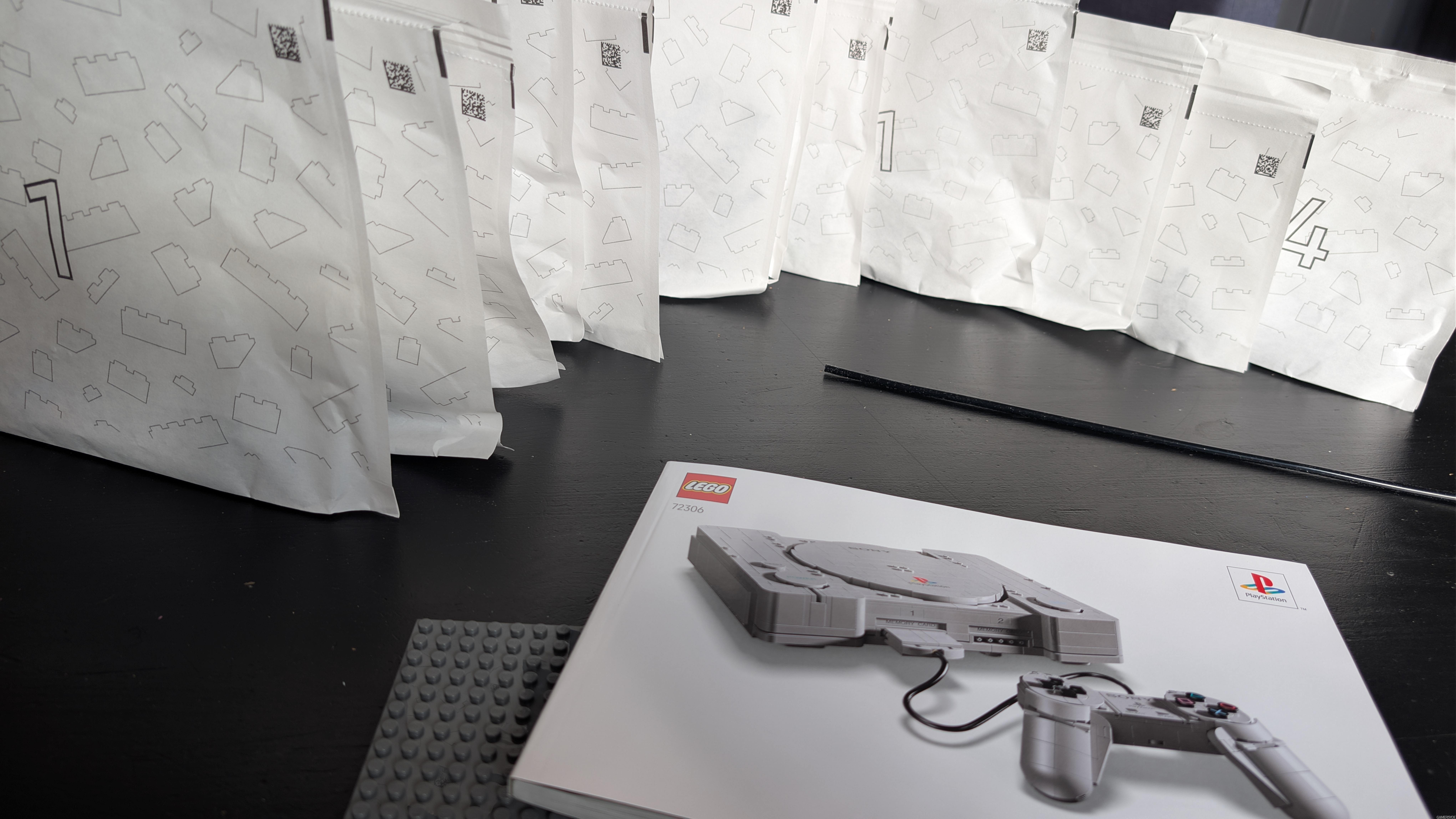
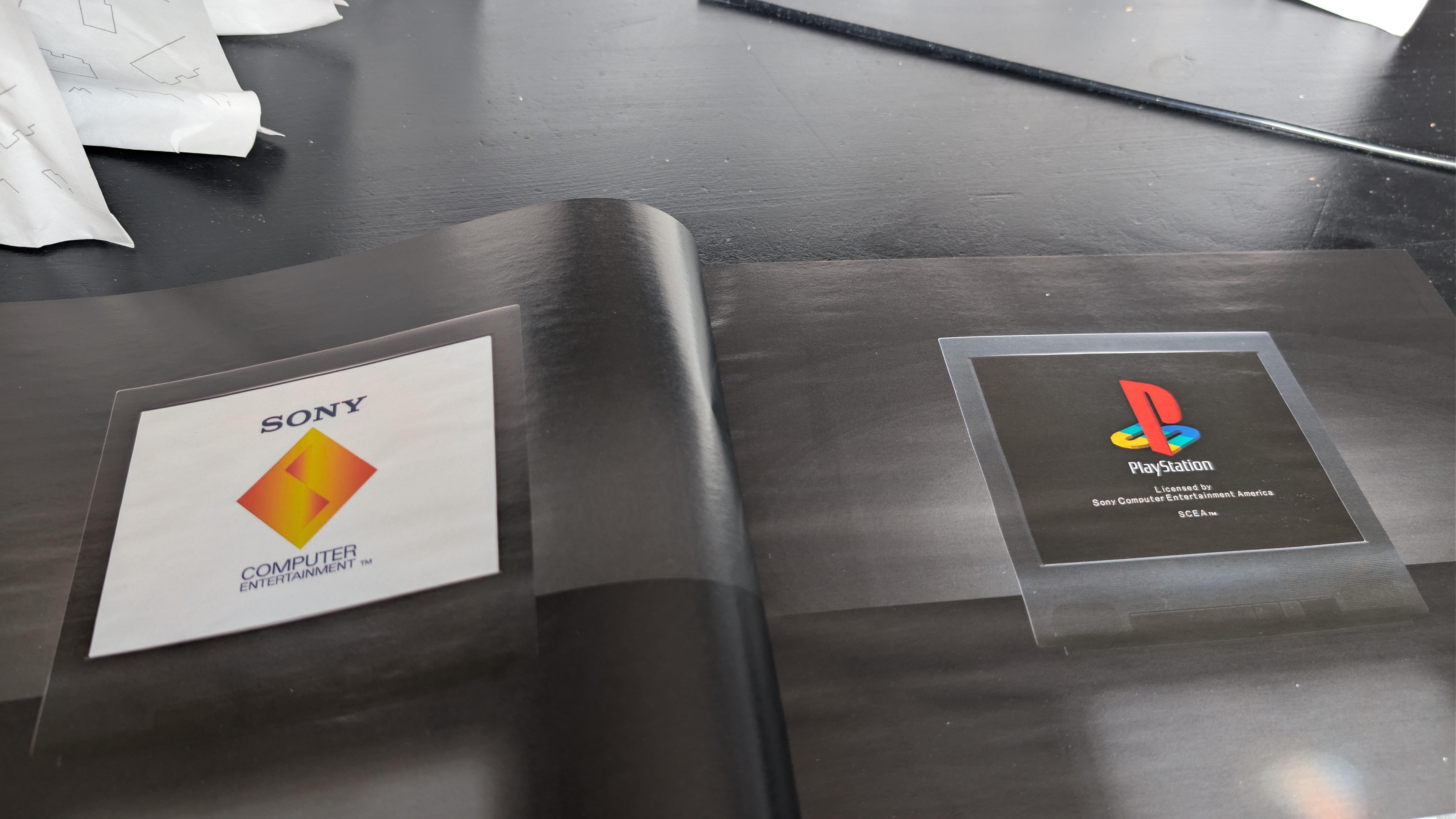
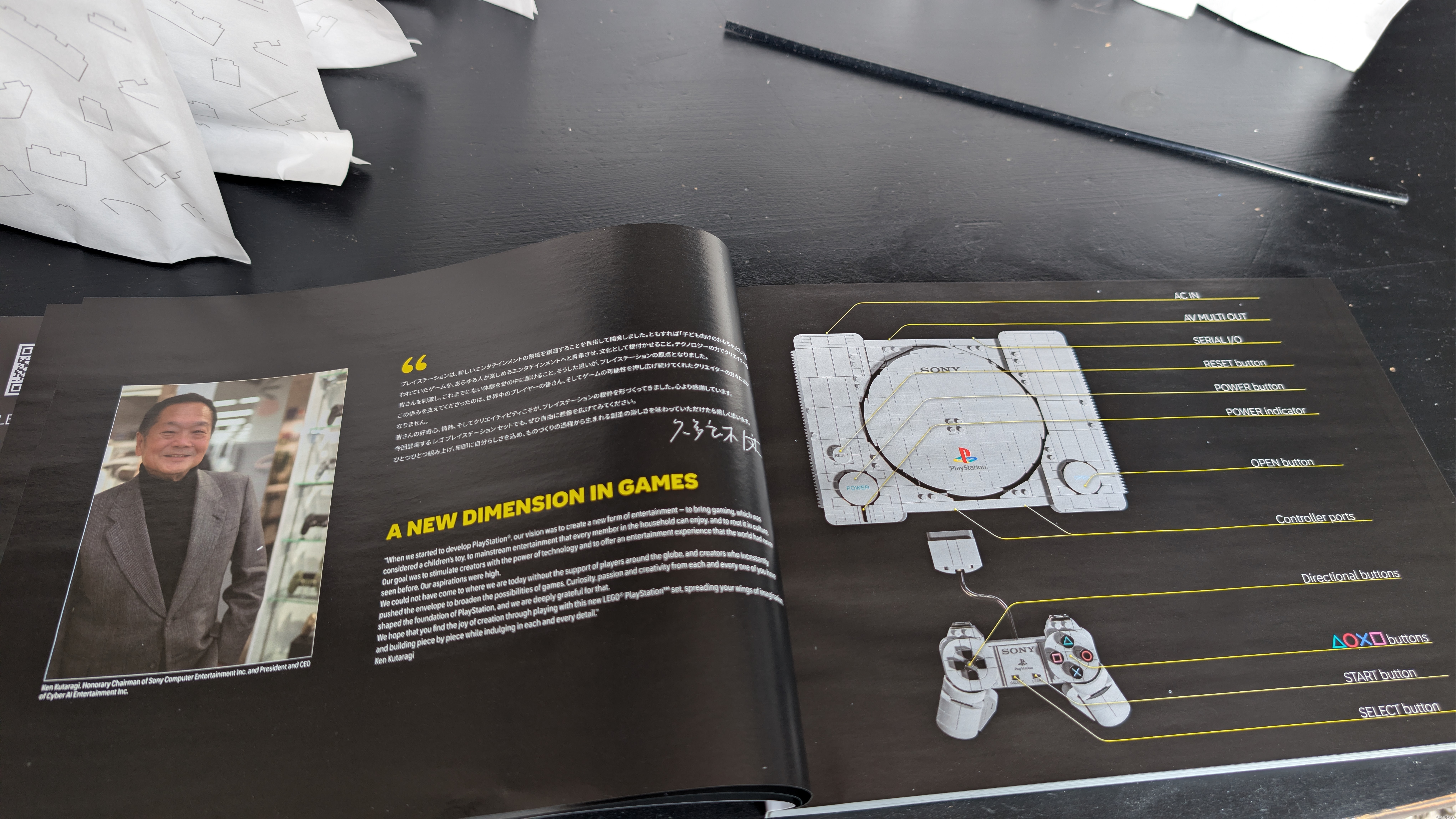
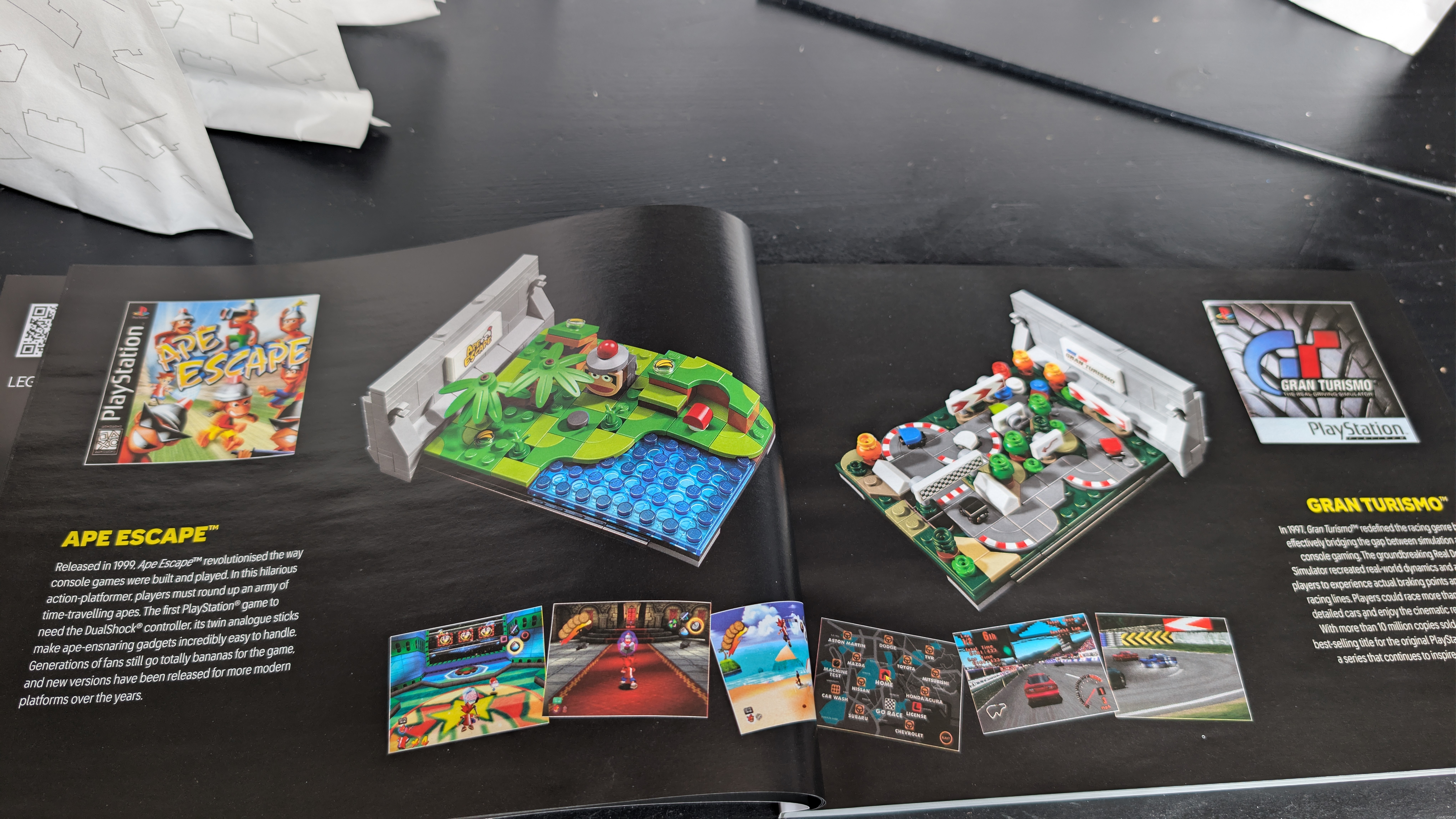
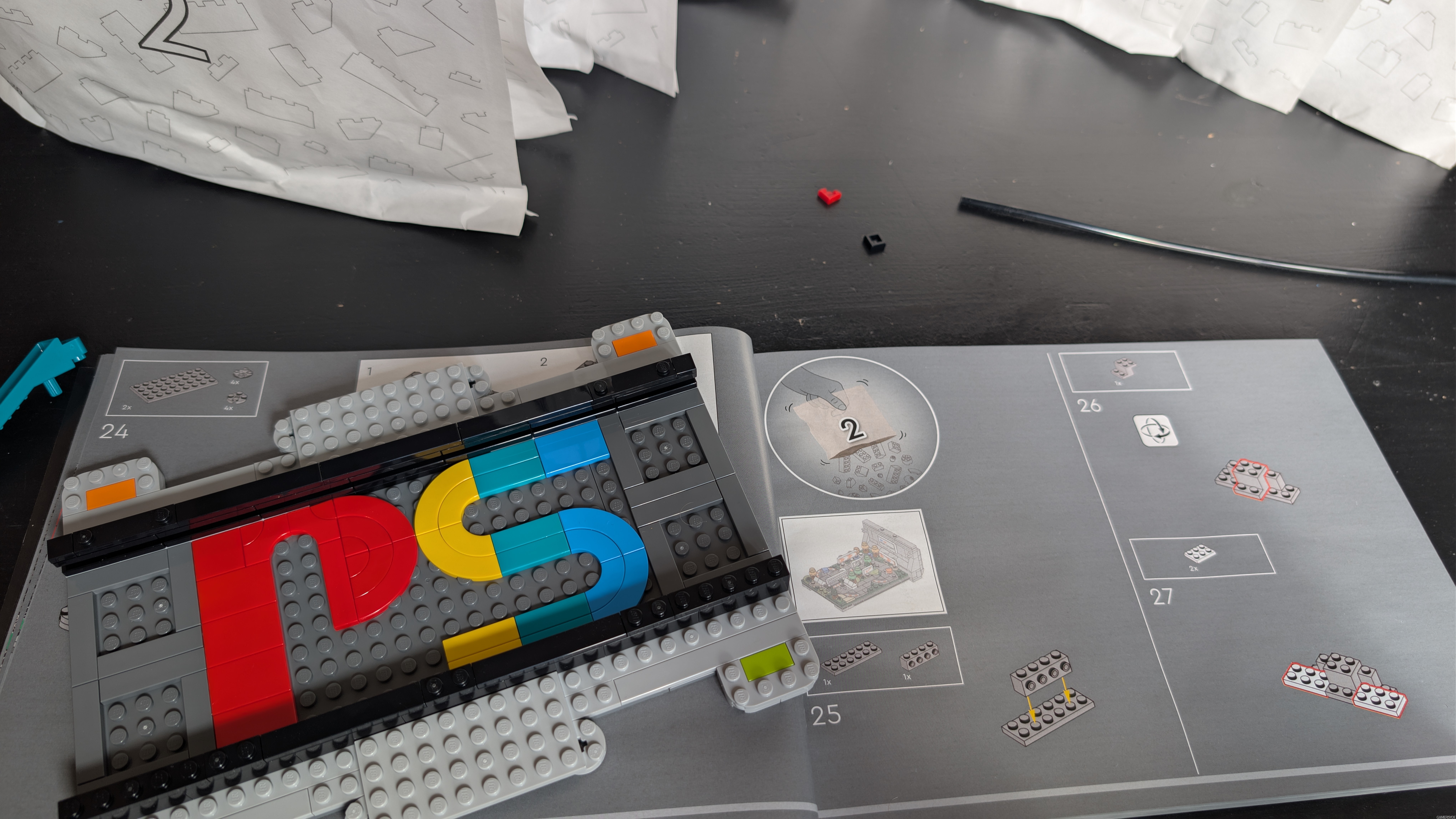
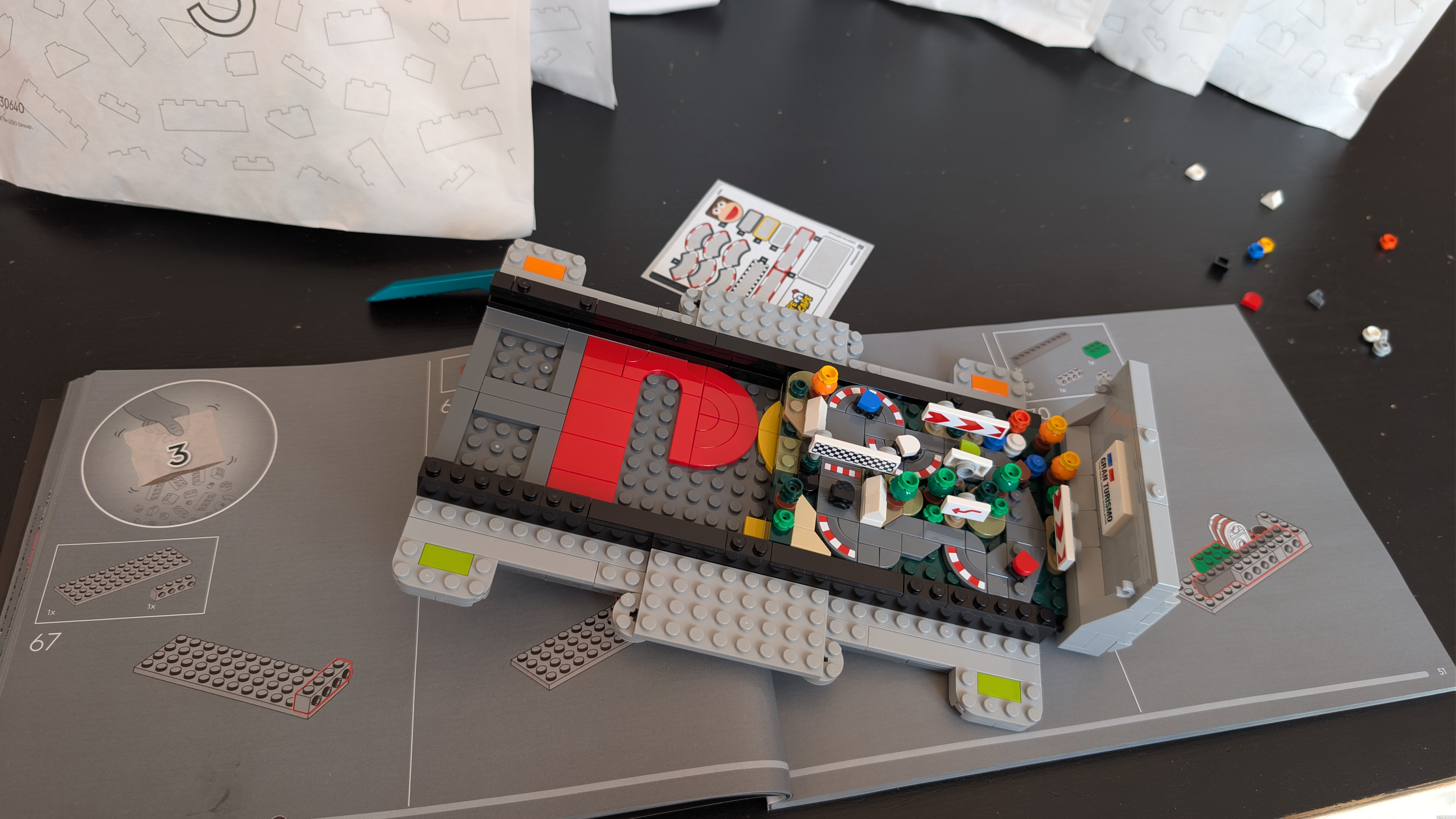
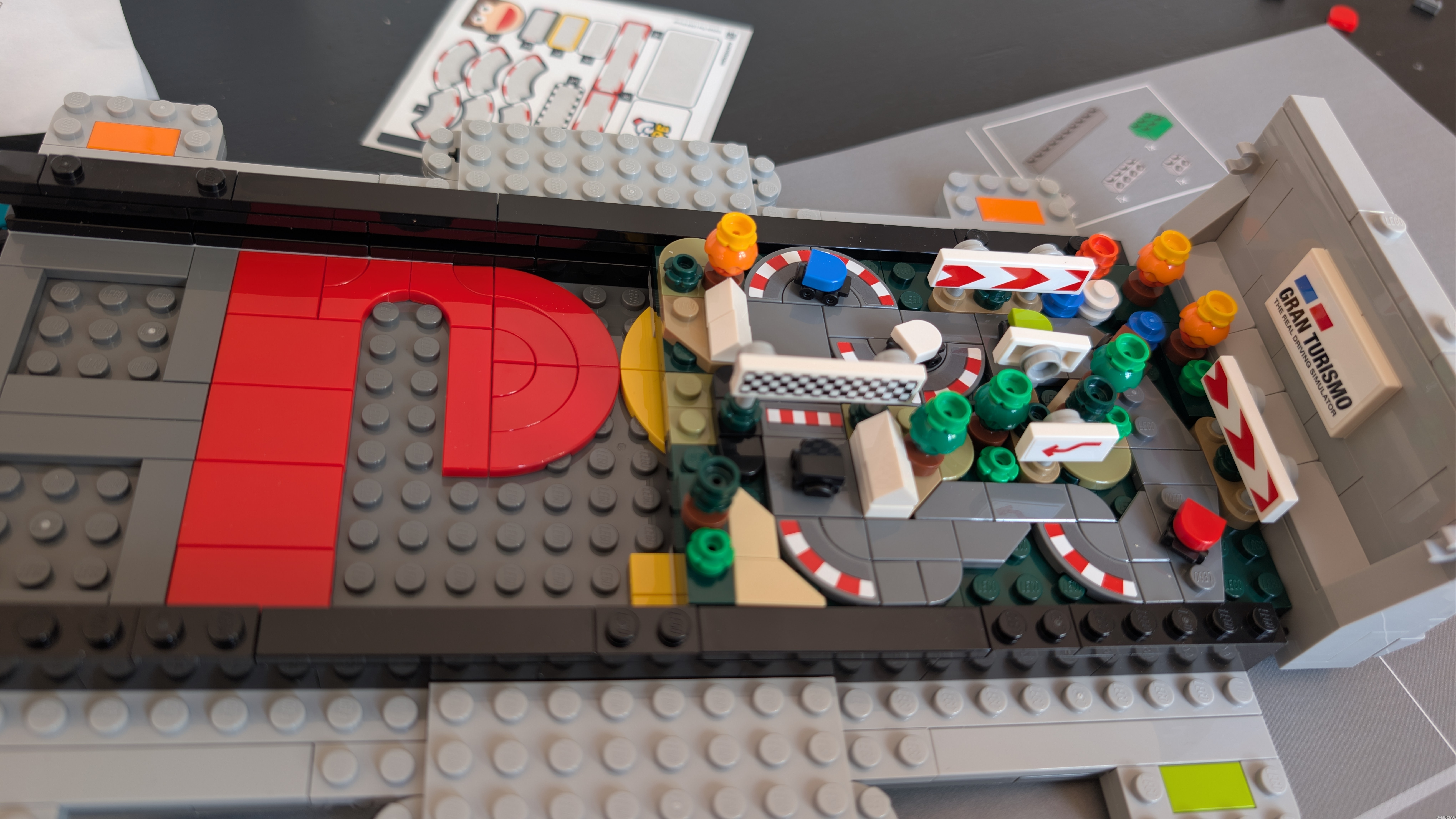
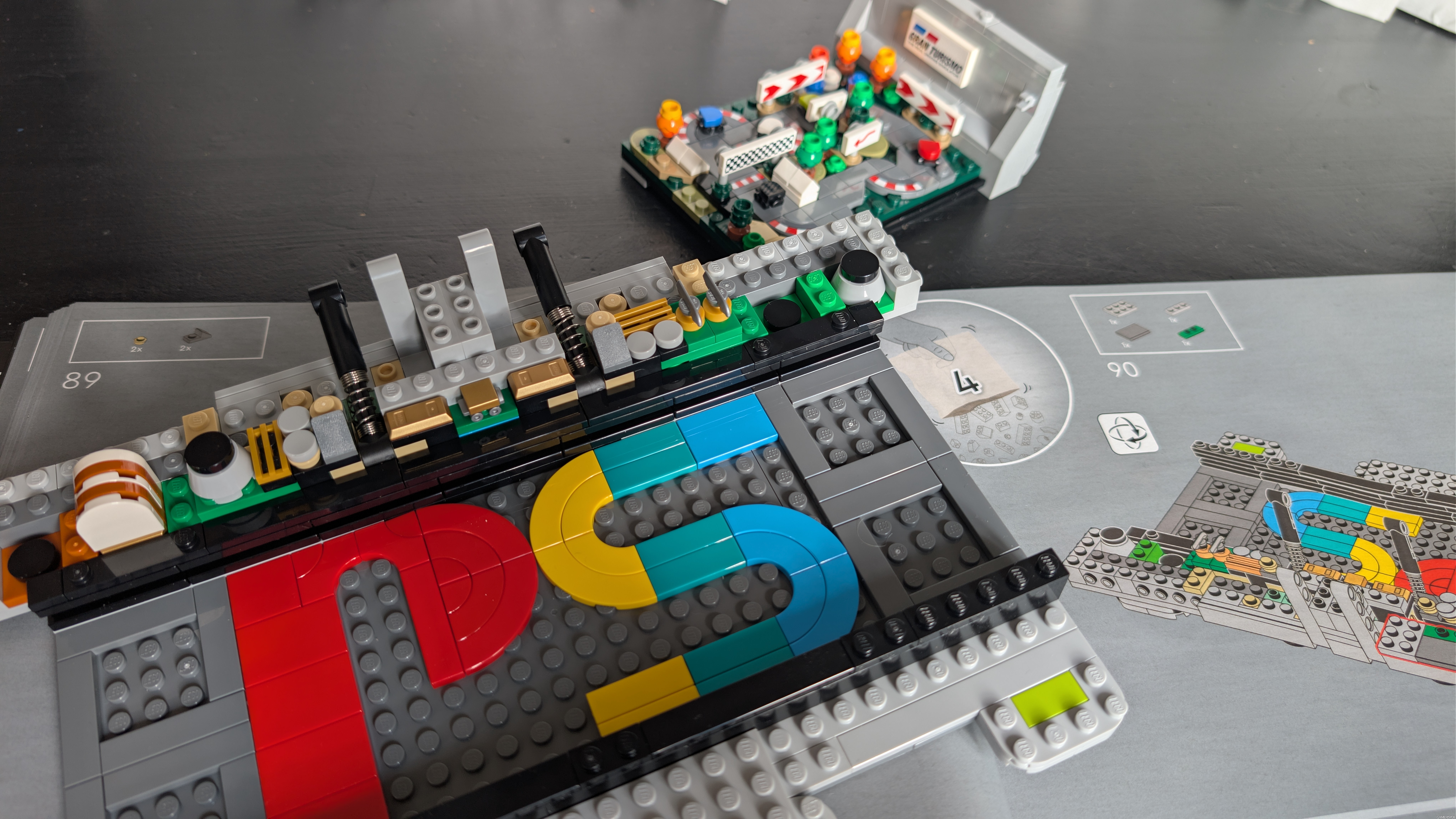
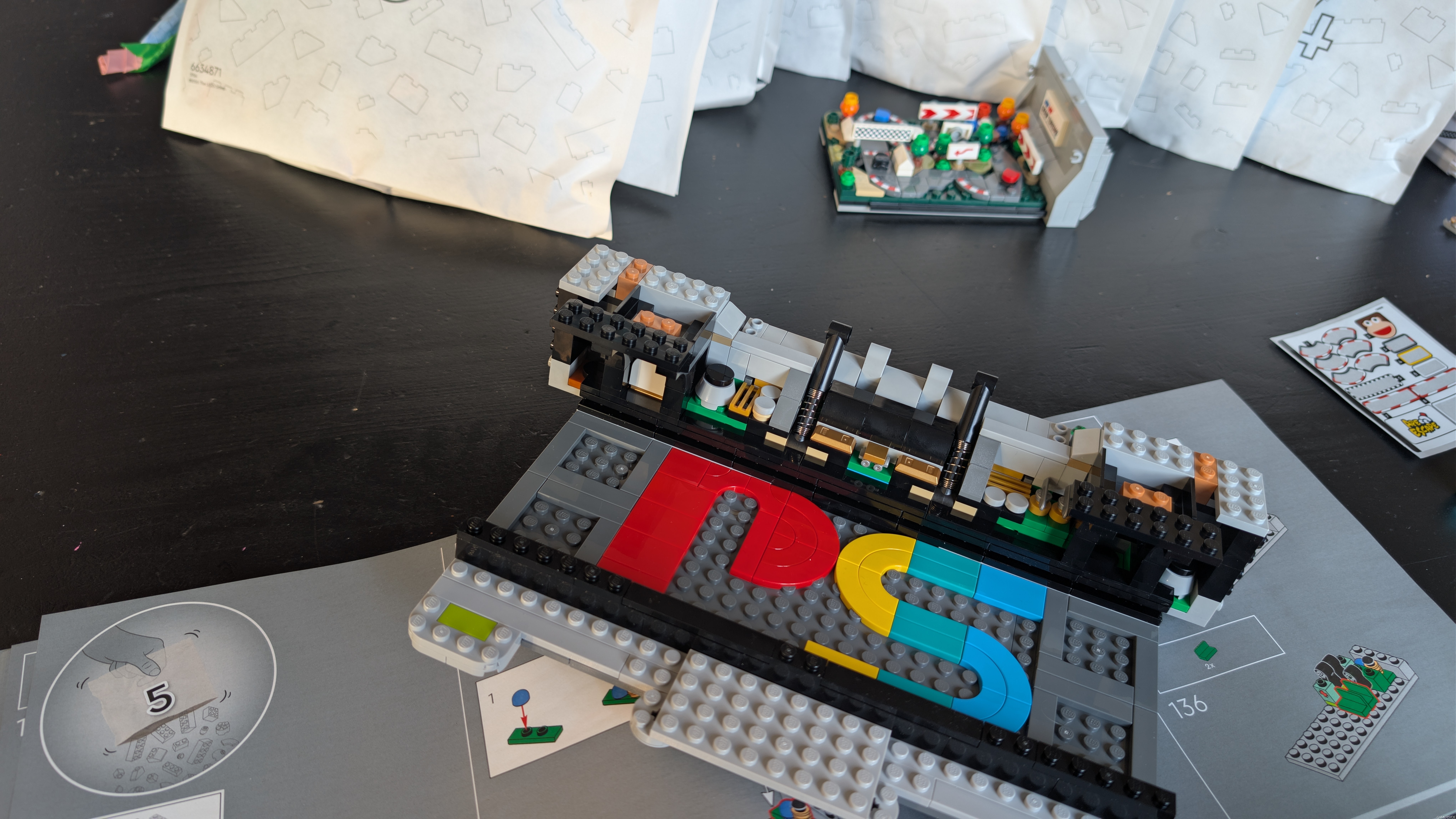
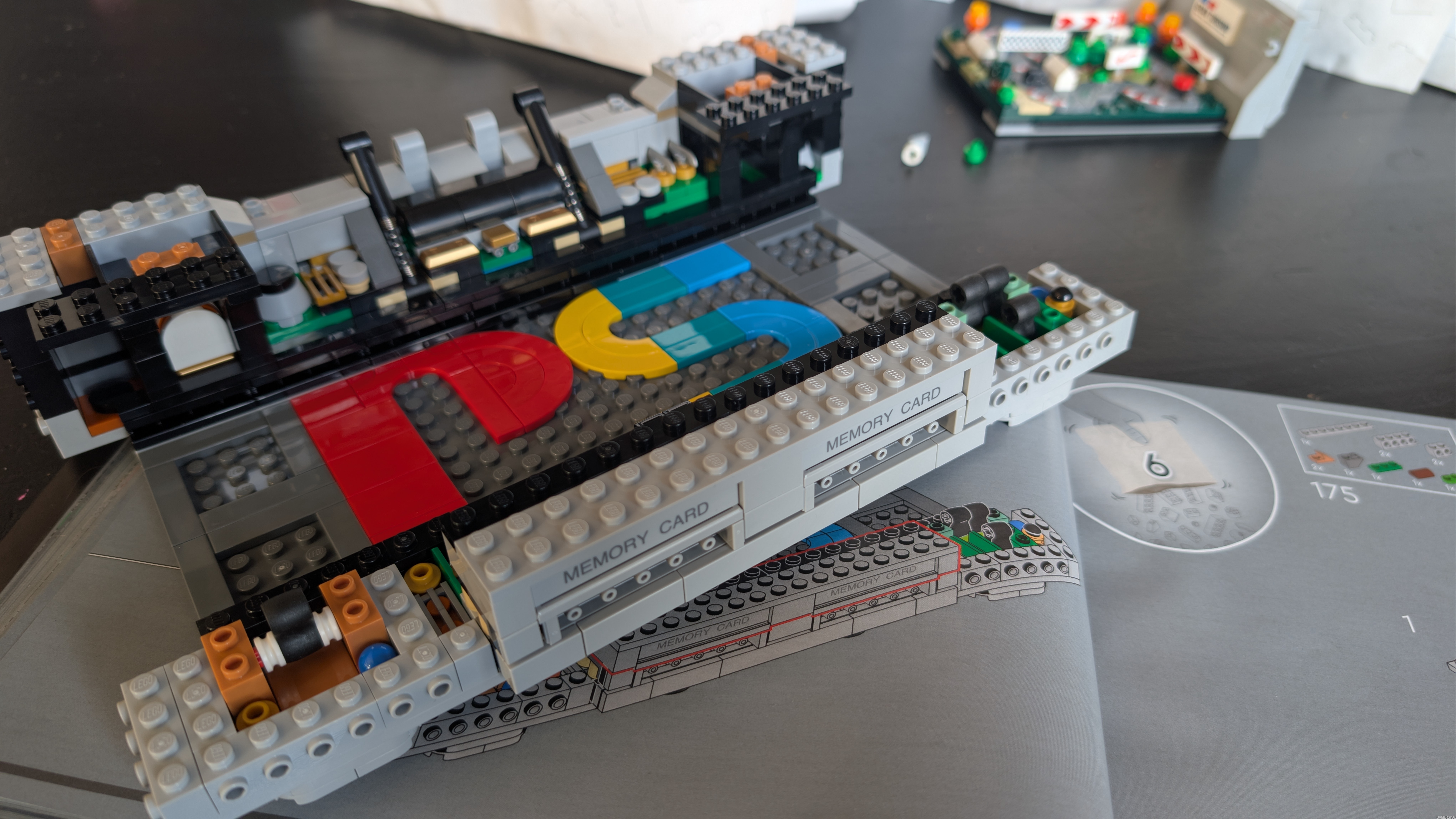
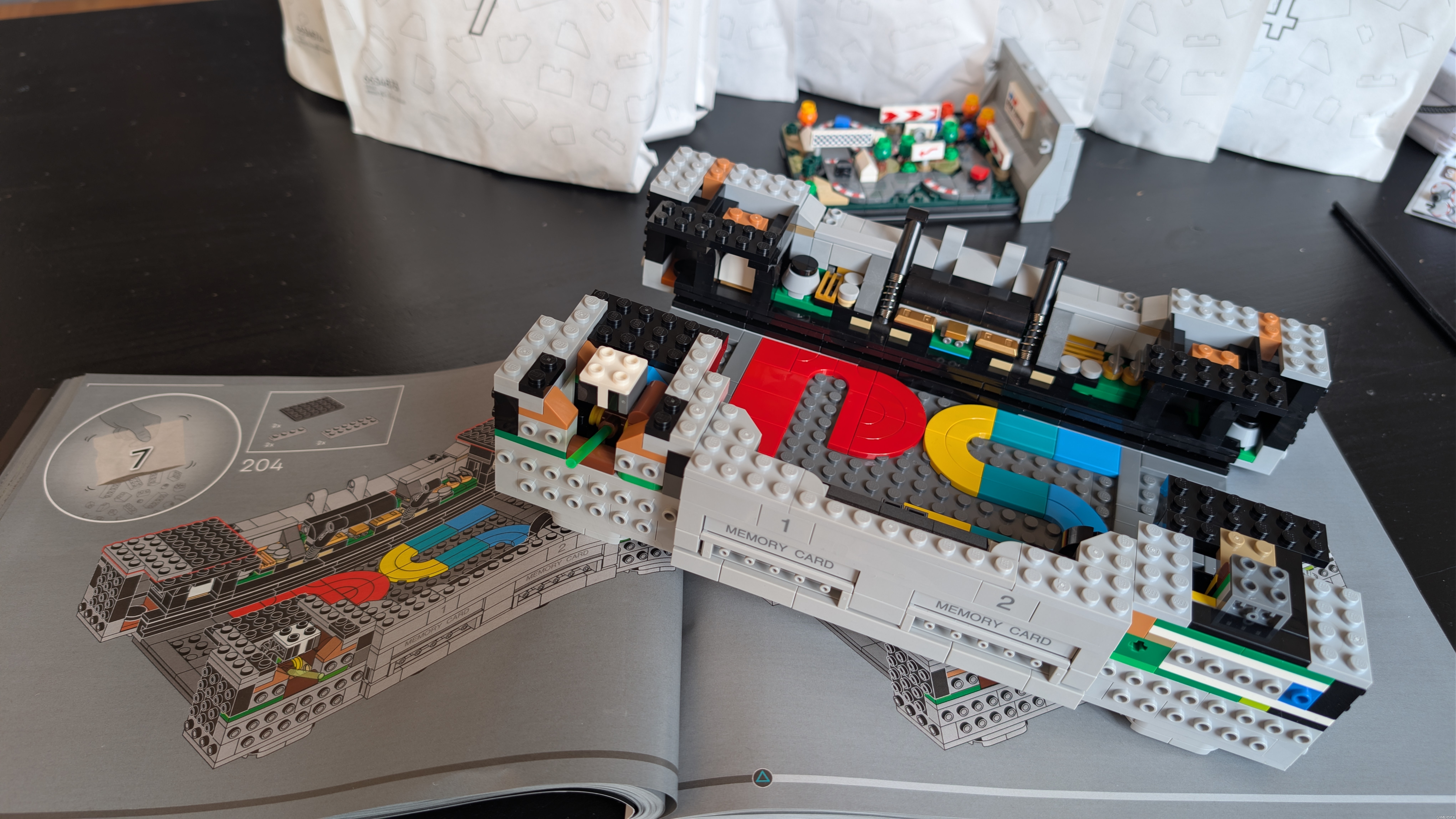
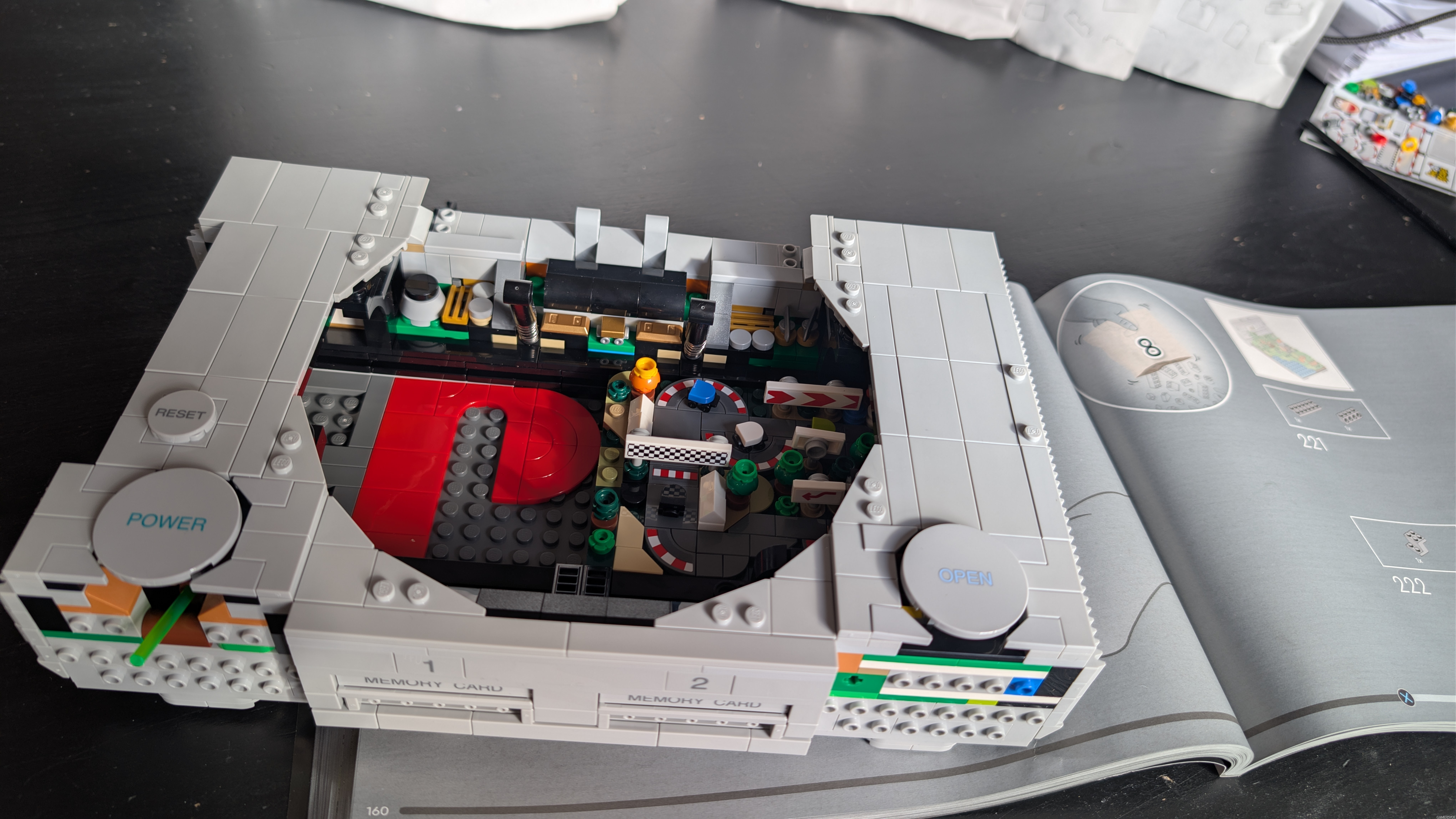
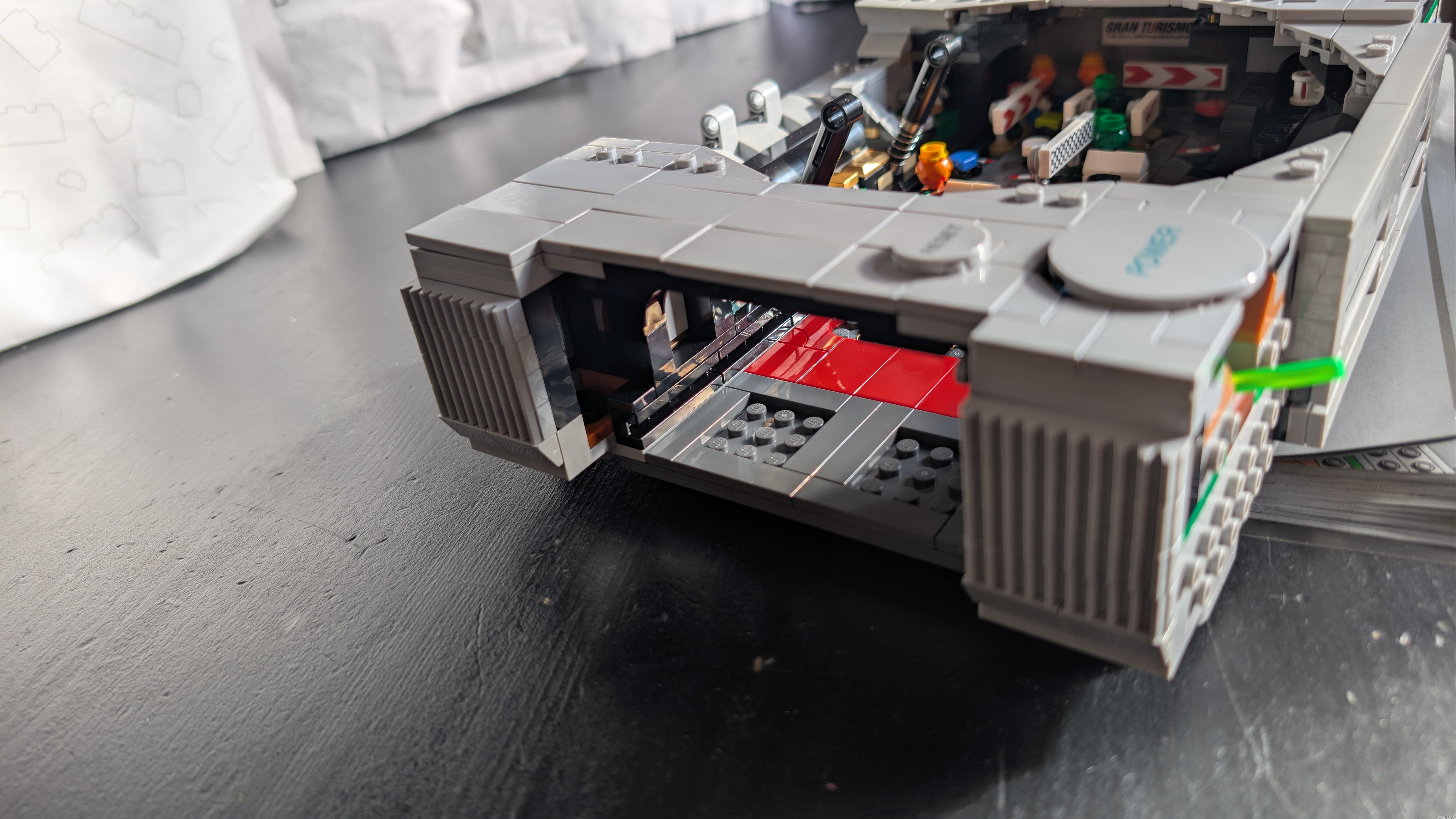
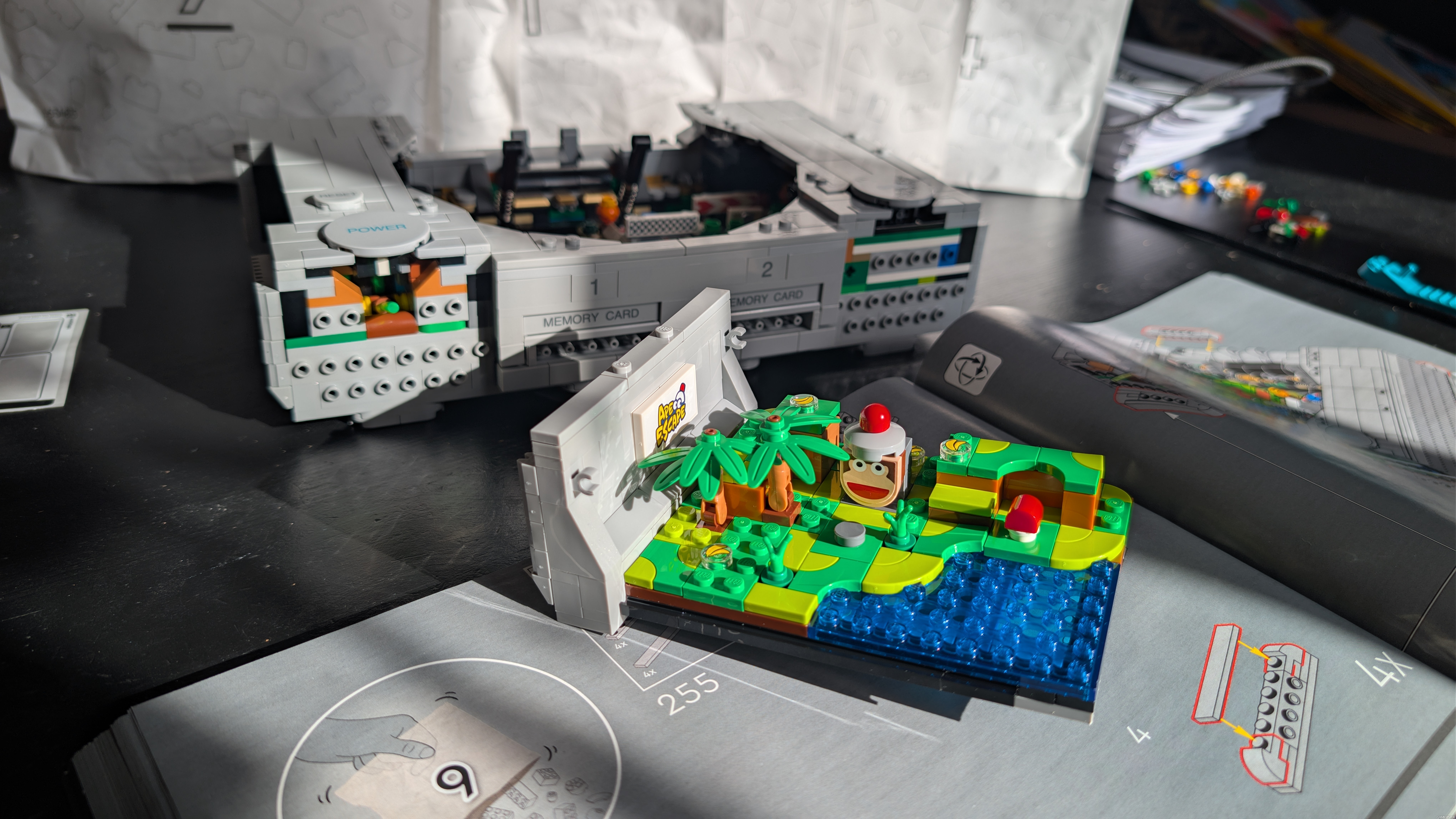
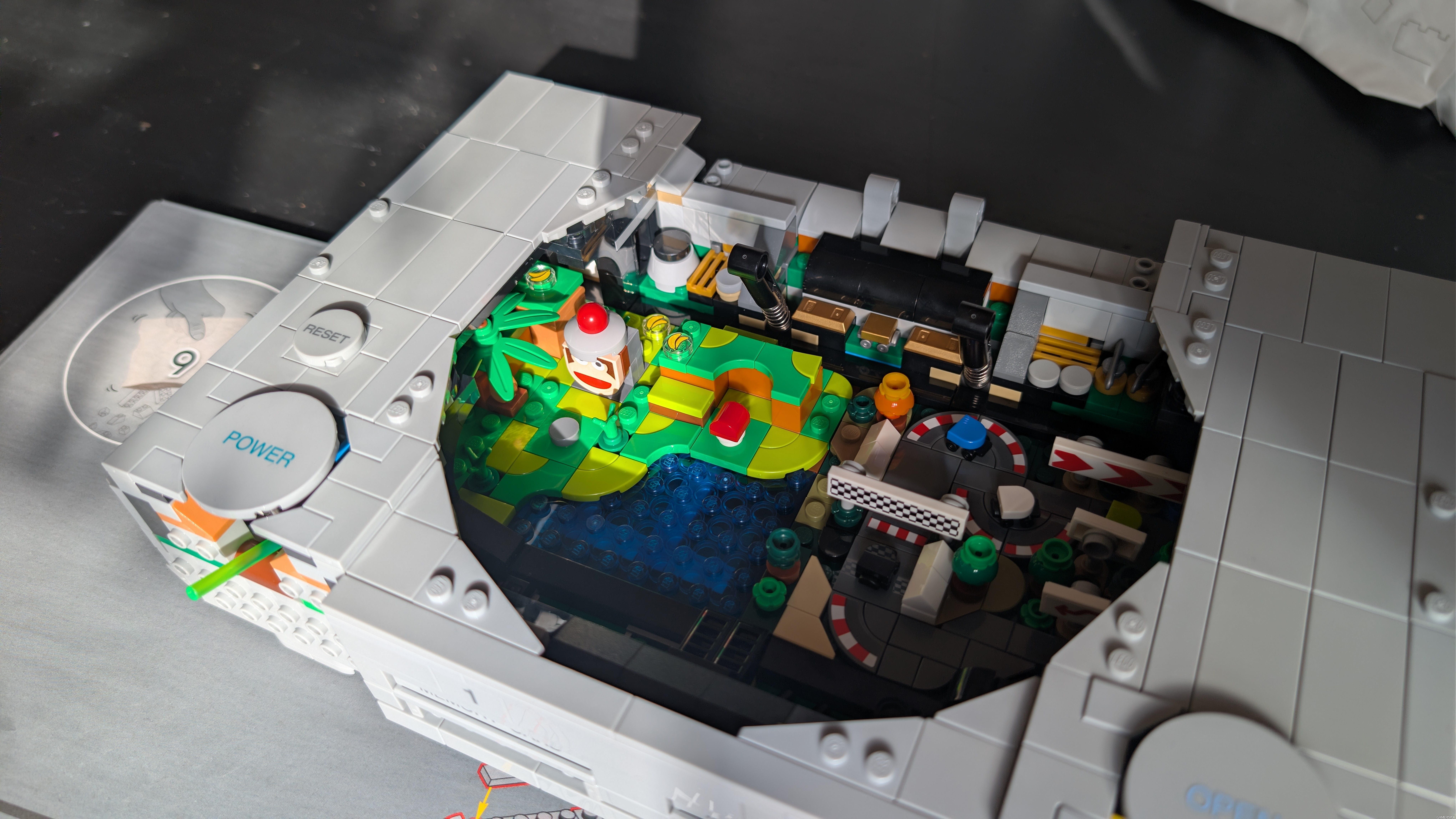
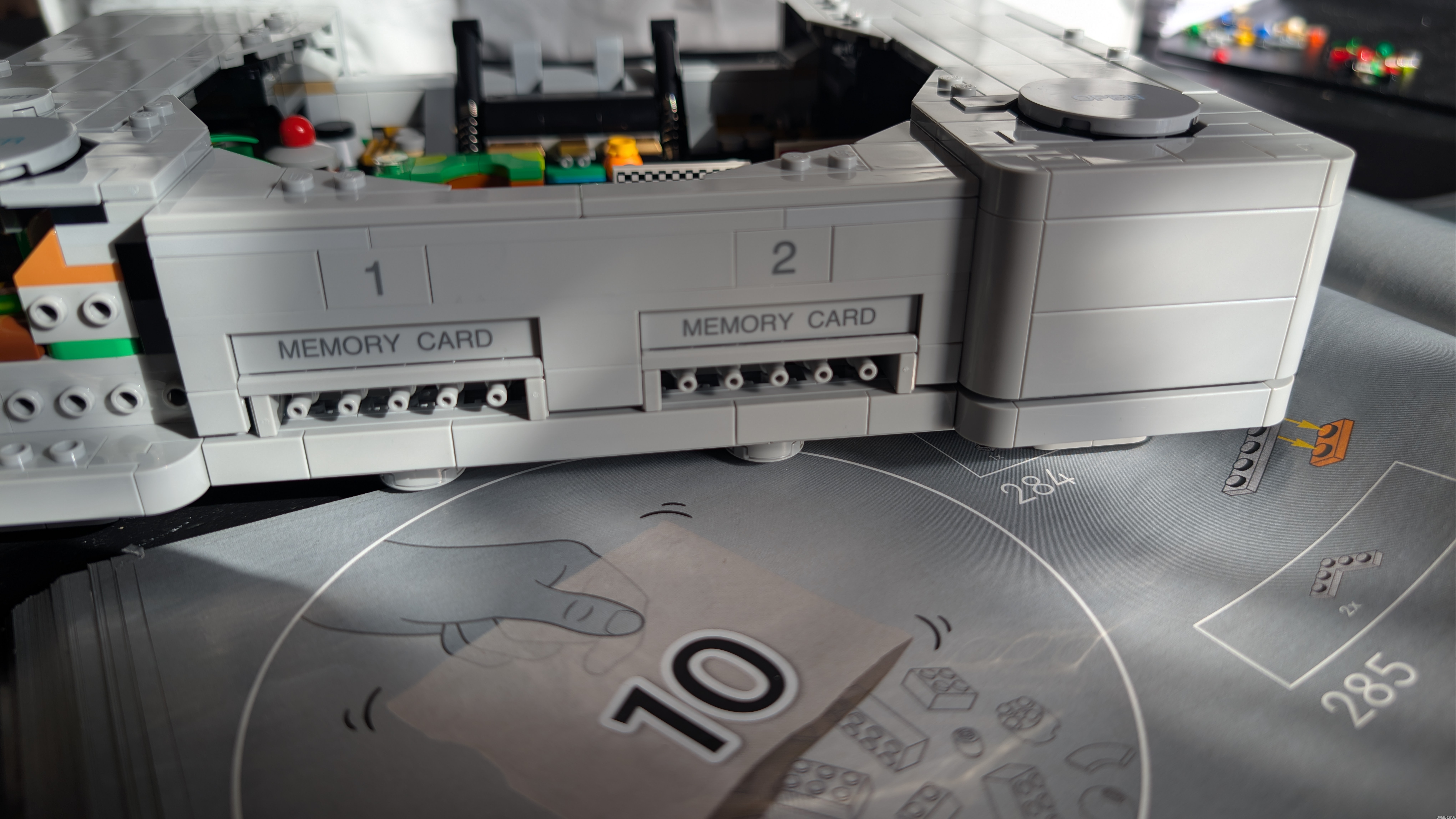
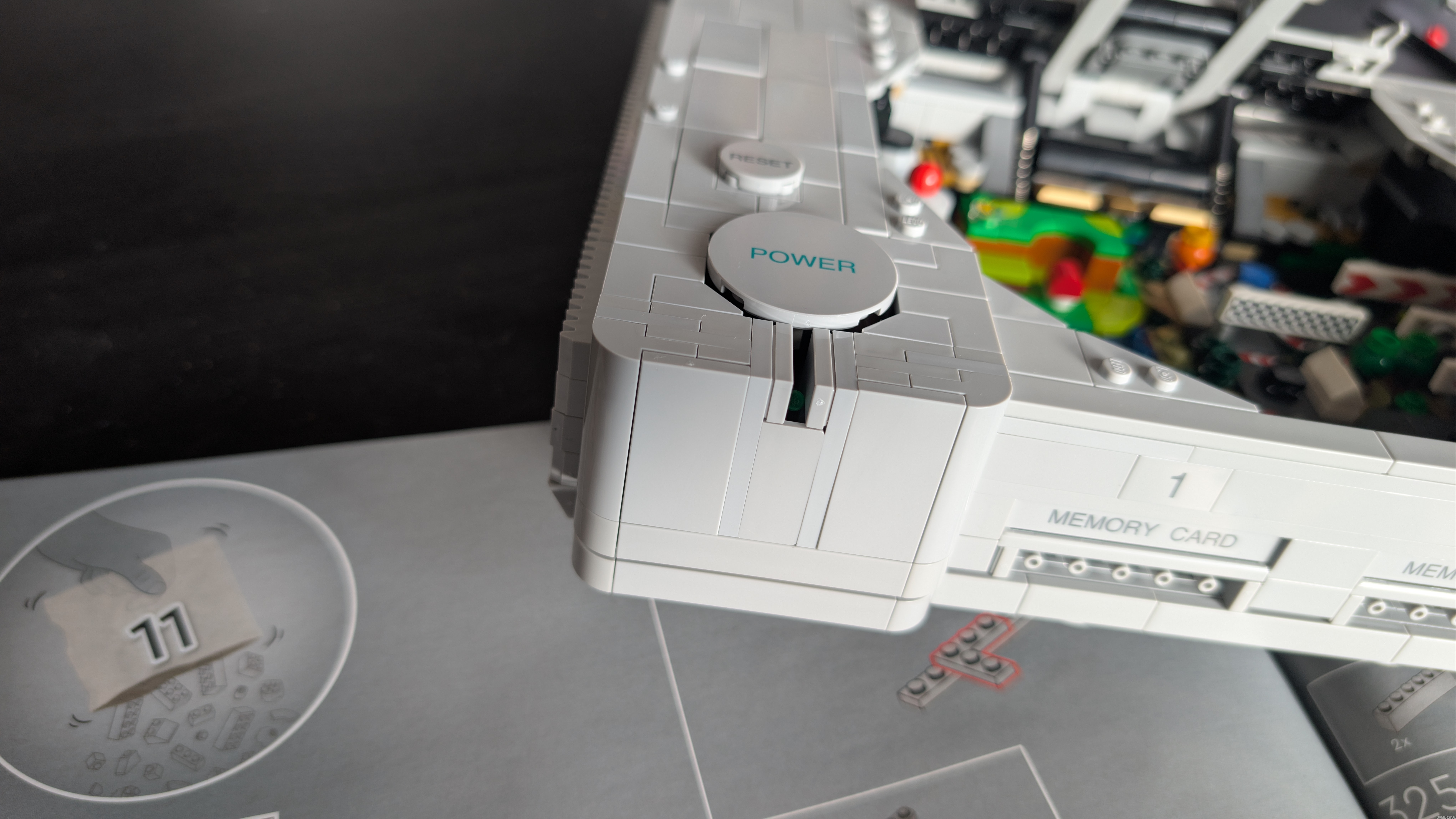
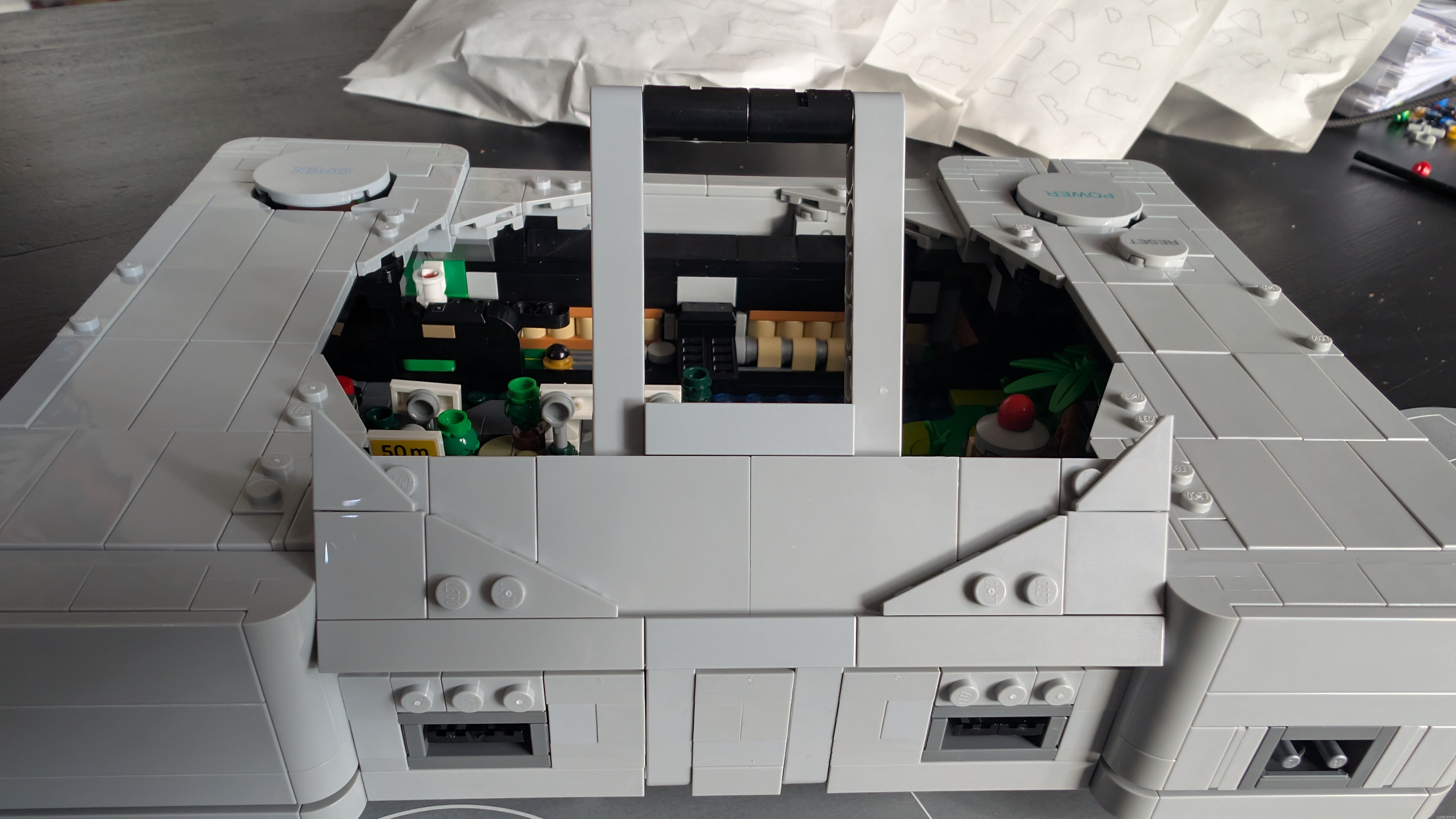
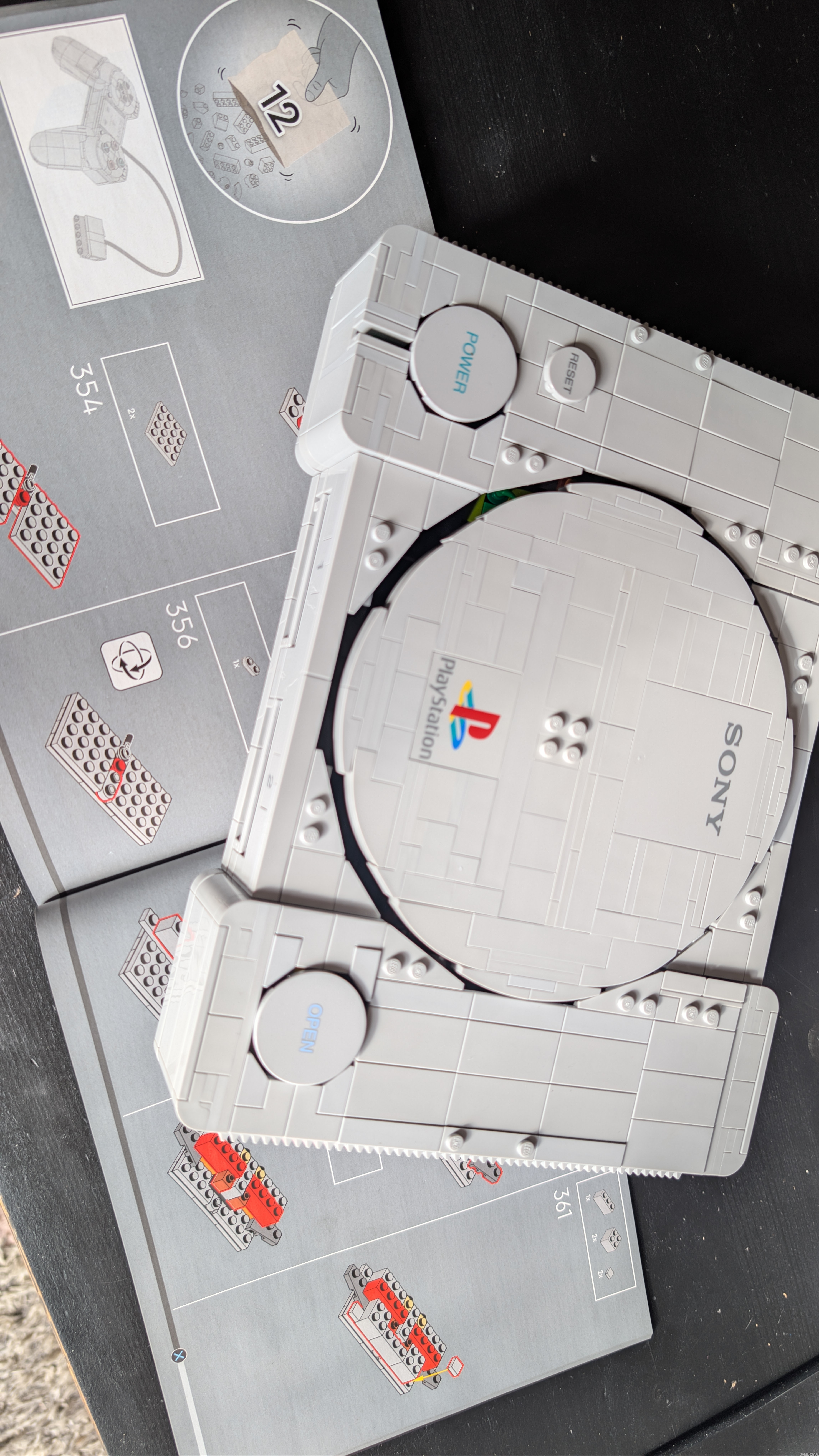
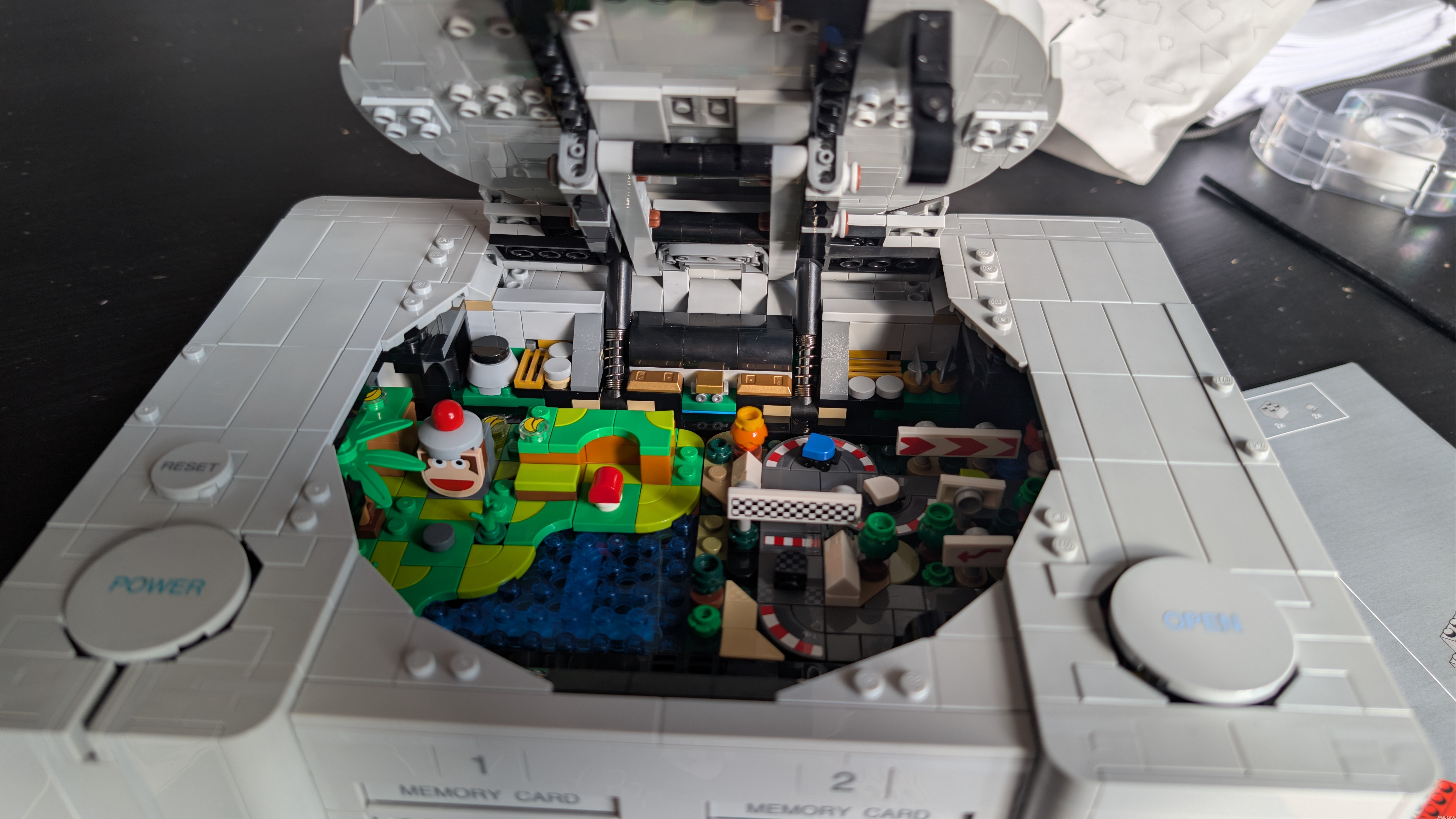
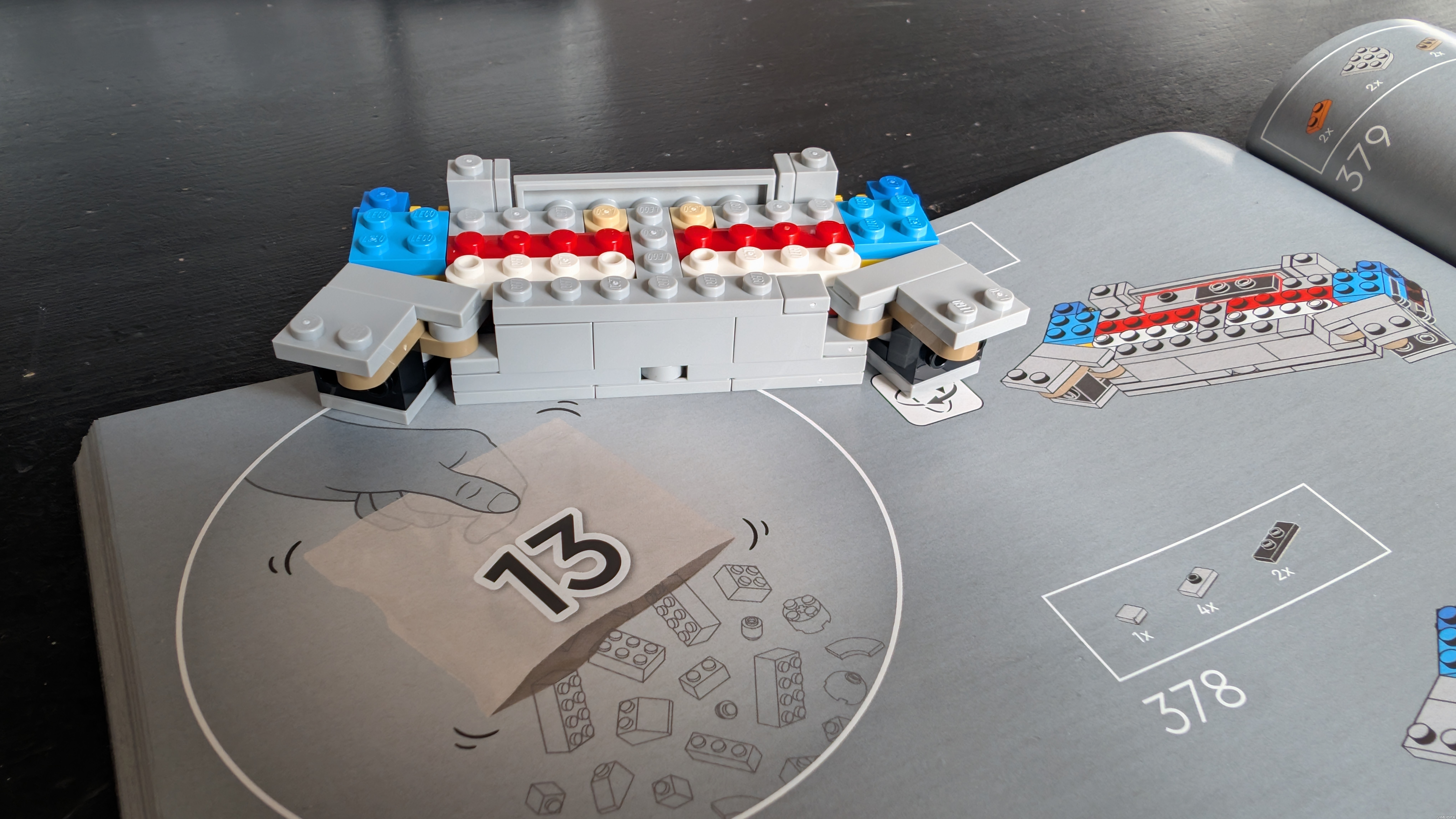
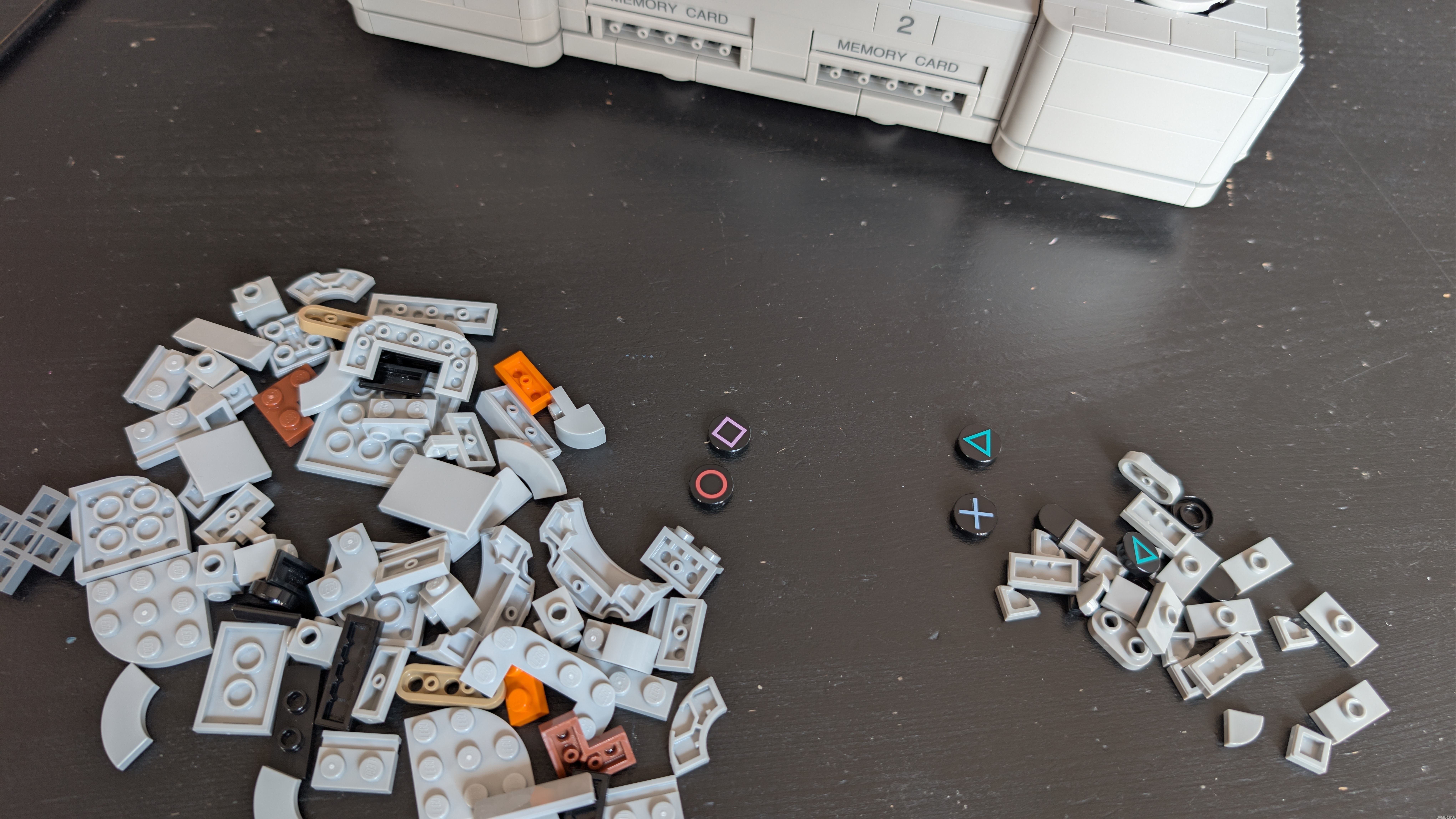
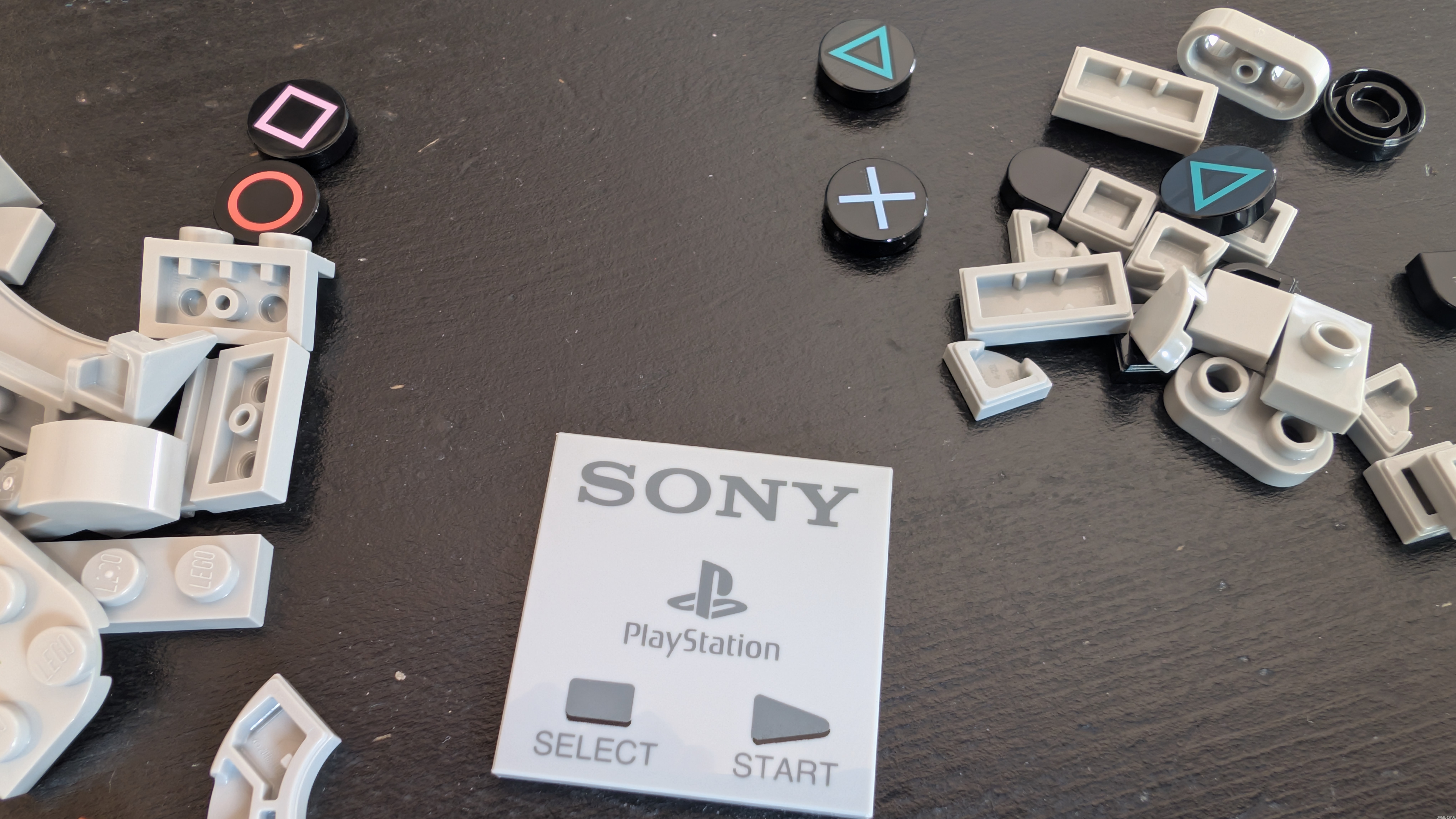
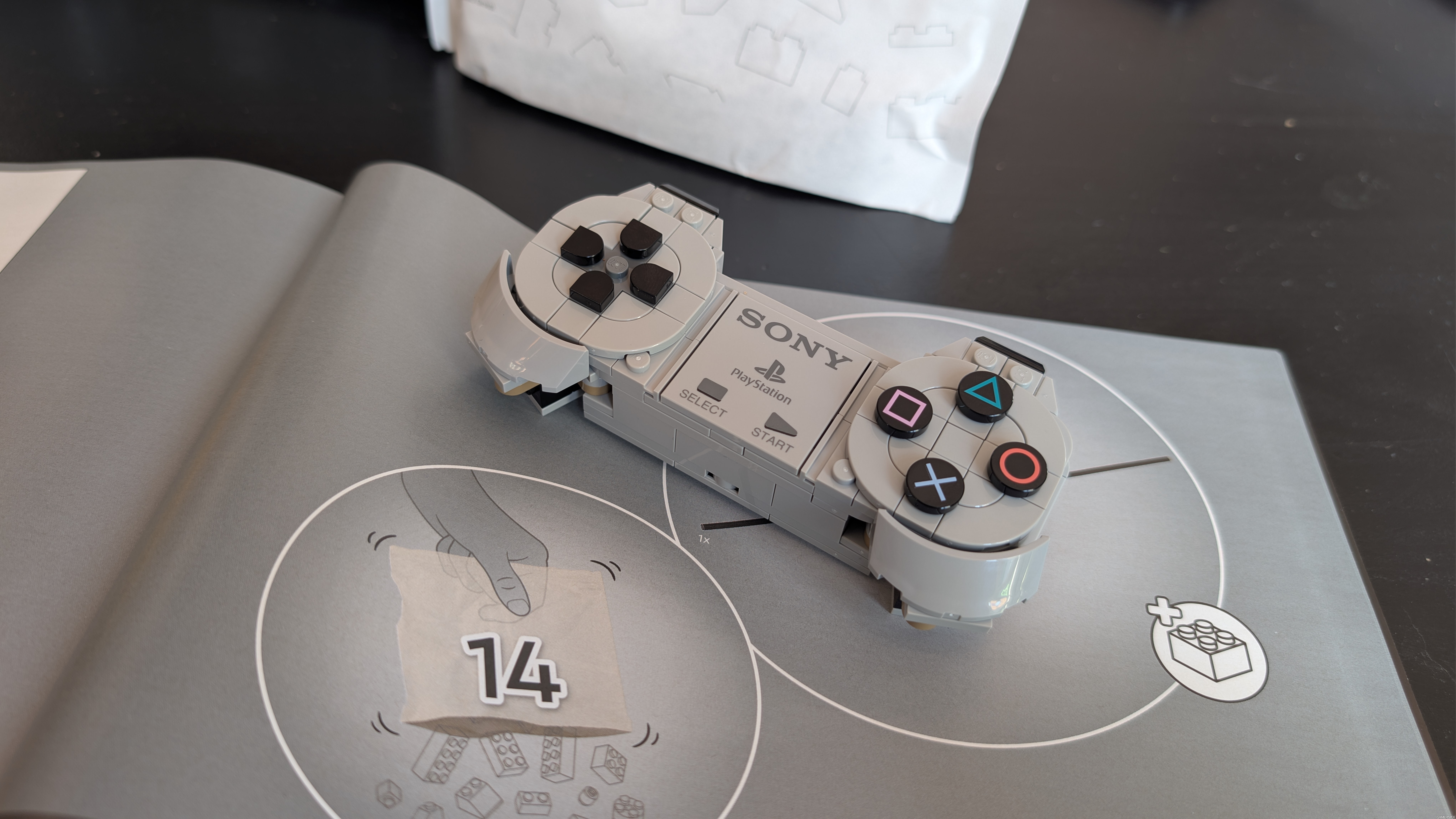
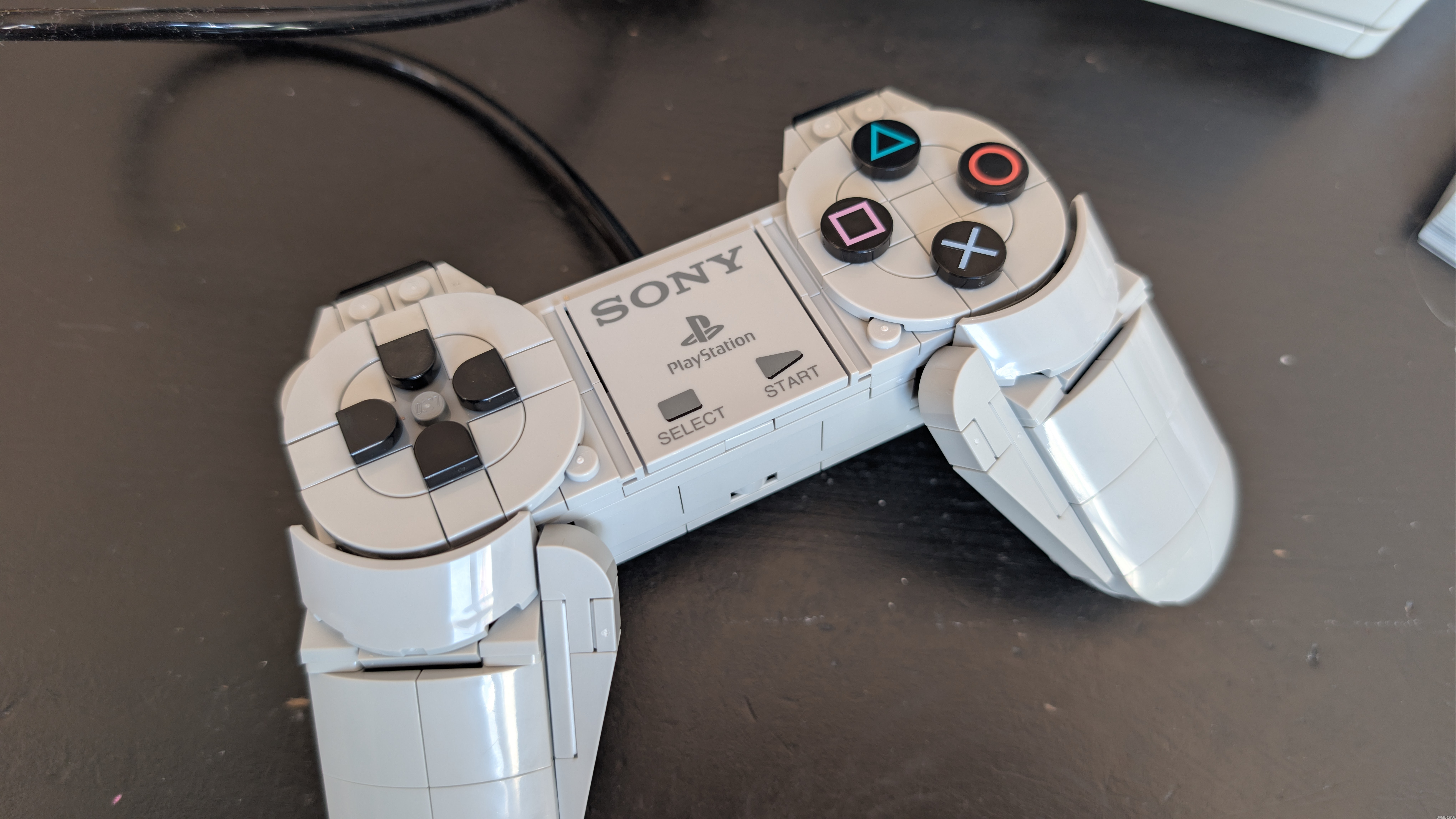
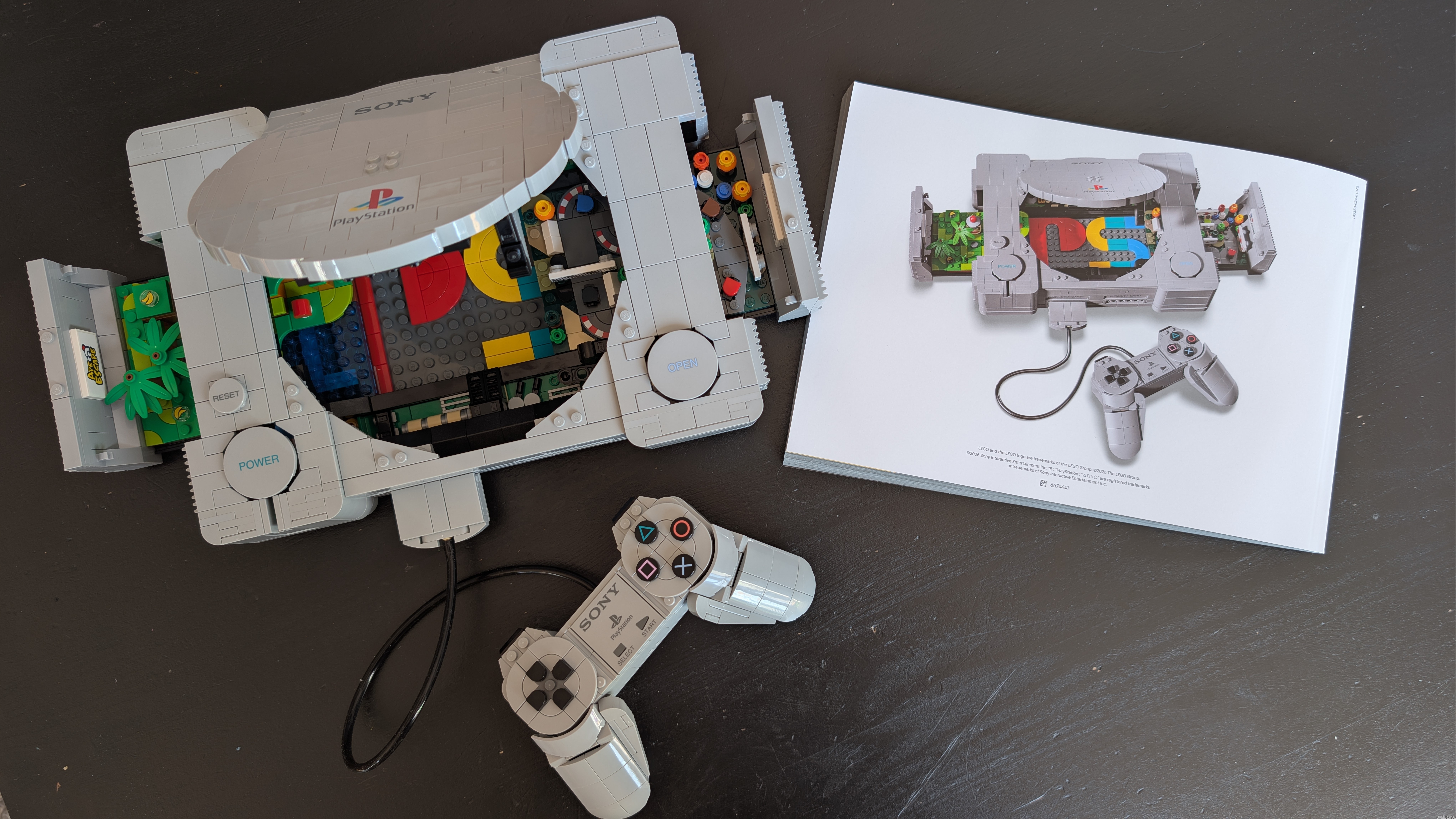
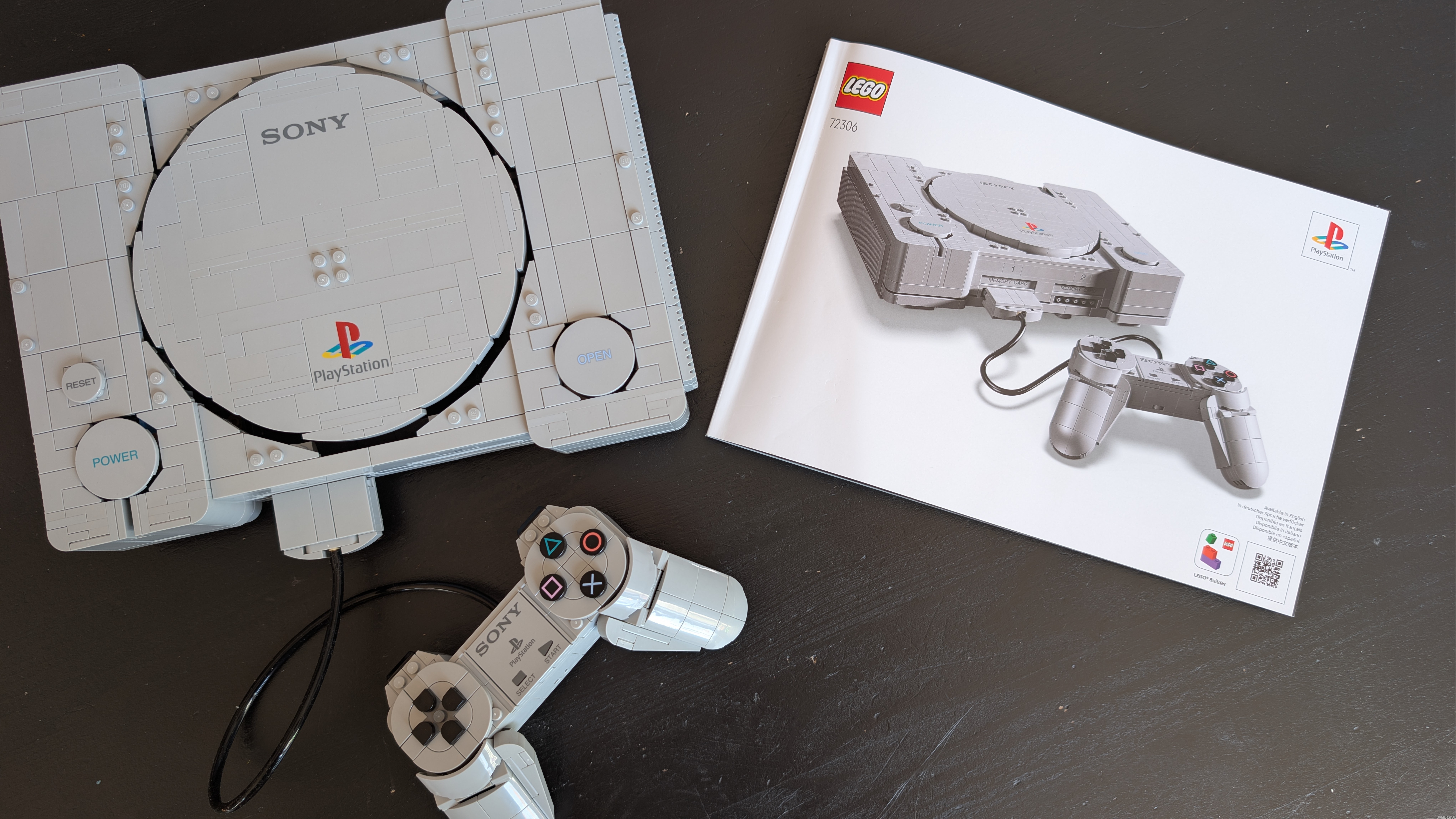
To start with, the set, which has a total of 1,911 pieces, includes fourteen paper bags (LEGO has been using paper instead of plastic for some time now) containing the bricks, and an additional one containing the building instructions (a 262-page full-color booklet) as well as a set of stickers (be careful not to forget them before discarding the packaging). Inside the box, loose, is a square plate (16 by 16) and a small black plastic cable designed to simulate the one that connected the controller to the console. The assembly manual features a brief note from Ken Kutaragi (the creator of the first PlayStation) as a short introduction, along with some information about the two games that are incorporated as hidden dioramas inside the console (Ape Escape and the very first Gran Turismo). The estimated build time is around seven hours, but we found it went faster, and we finished the project in just two sessions. Given the number of pieces included, this is a set that doesn’t require too much time anyway. Whether you use the printed instructions or the LEGO app, the build presents no major difficulties, and compared to some other products from the brand, the entire construction process is very relaxing. The set designer had the good sense not to force us to build the two drawer-style dioramas (which fit on either side of the console) back-to-back, allowing us to alternate regularly between building the machine itself and the two scenes from these two iconic games. This is a great way to avoid the monotony inherent in certain builds of this kind, which are, by definition, very symmetrical. As usual, LEGO includes bricks in different colors to make certain parts of the build easier to follow, but it also takes some liberties with the original design by incorporating the colorful "PS" logo on the interior back of the machine, visible when you open the hood and remove the two drawer-style dioramas. I mentioned the inclusion of a few stickers, but fortunately, they’re limited to the small decorative elements meant to pay homage to Ape Escape and Gran Turismo. Personally, I’m not a big fan of this choice to include stickers, which happens even in much more expensive sets, because not only is it never very easy to position them correctly, but they can also wear out over time. The good news is that LEGO has still made a notable effort by including several screen-printed pieces: Sony and PlayStation logos, Power, Open, and Reset buttons, and, of course, the brand’s famous symbols on the front buttons of the gamepad. I won’t deny that there’s a certain pleasure in installing these iconic pieces when you're old enough to have been there at the very beginning of Sony's debut as a console manufacturer.
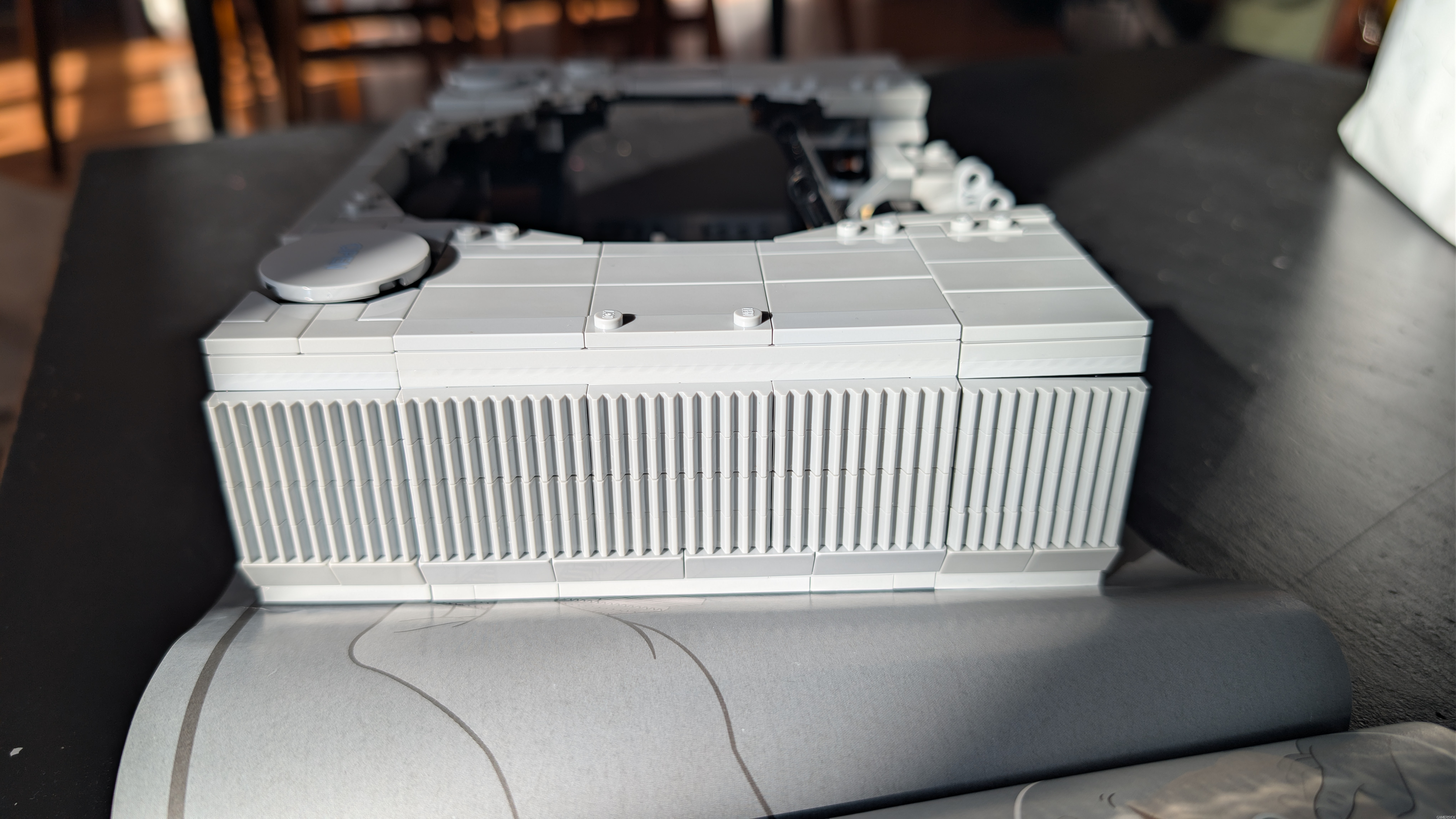
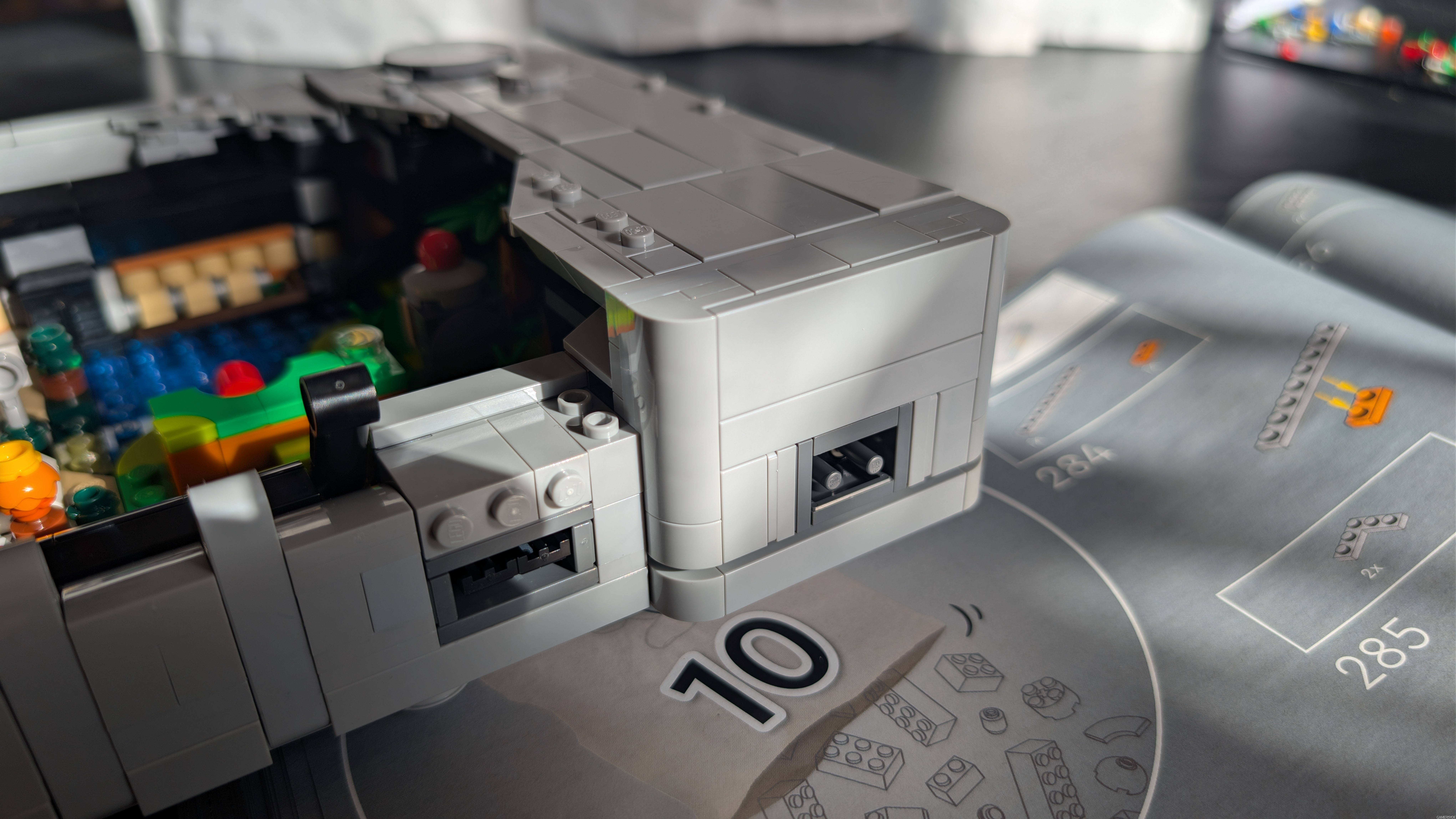
All in all, I had a great time throughout the entire building process, but since the set doesn’t present any real difficulties, it won’t necessarily appeal to those looking for a true building challenge. Now that the console and controller are finished, it’s time to share my thoughts on the finished product. Clearly, by choosing to offer the product at a more affordable price (€159.99 is certainly not cheap, but given the current cost of LEGO, it’s actually quite reasonable), the Danish manufacturer was forced to make a few compromises on the final result. The first PlayStation may be nothing more than a fairly angular rectangular block at its core, but it incorporates several rounded elements, starting with its famous cover. Its curves are nevertheless captured quite faithfully, especially since the mechanical manual opening mechanism has also been faithfully reproduced in this LEGO version. On the other hand, the visible slits around the cover bear no resemblance to the machine’s original design, which obviously didn’t leave that much space between the edges of the flap and the console’s outer shell. Similarly, with so few pieces, the controller inevitably ends up looking rather angular overall. LEGO does a respectable job given the constraints, but the final result is inevitably less convincing than that of the NES controller, which had no curves at all. I also regret that the Reset button isn't functional at all and is ultimately nothing more than a simple round piece placed on top of the machine. LEGO could have used the same pressure mechanism implemented for the Power button, which, for its part, could also have been made more realistic by using a push-push bistable switch (or latch switch), just like on the real console. These small details can once again be explained by the decision to make this tribute a mass-market product rather than the more niche offering created for Nintendo. Ultimately, despite its minor imperfections, this reproduction of the first PlayStation console proves to be quite satisfying and, for me, a pleasant surprise. The use of screen-printed bricks for the brand’s iconic symbols gives the set a successful overall look, and, to top it off, one that’s quite pleasing to the eye. The console is easily recognizable, and given that it will eventually be available at an even more affordable price from retailers other than the official LEGO website, this makes it a highly recommended product for PlayStation fans who no longer own the original console to display in their homes.


 Patreon



